Call us today! 1-866-761-6578 Sign In To Your Account    0 Items
Items Unit Price Qty Total
Order Sub-total $0.00
Checkout
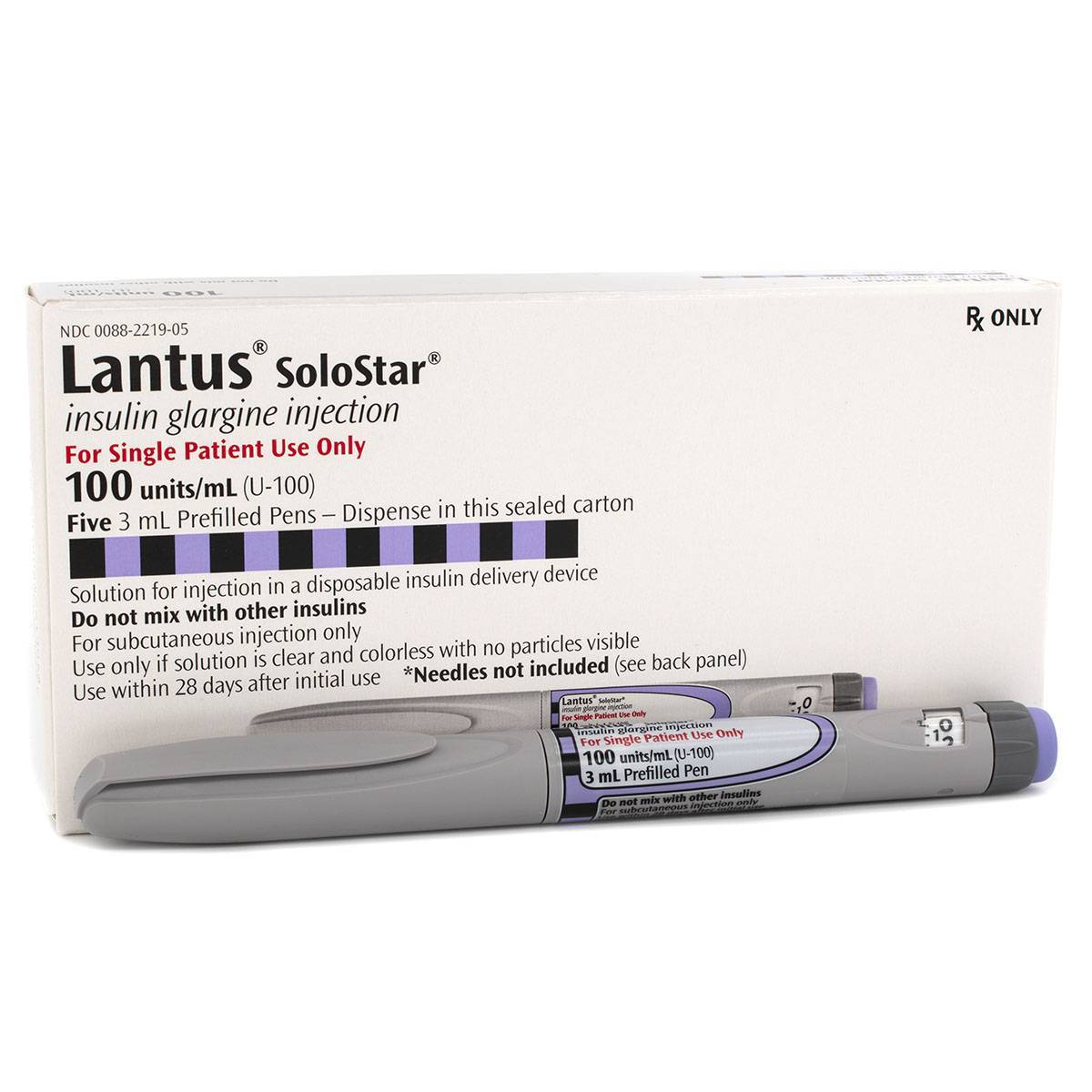
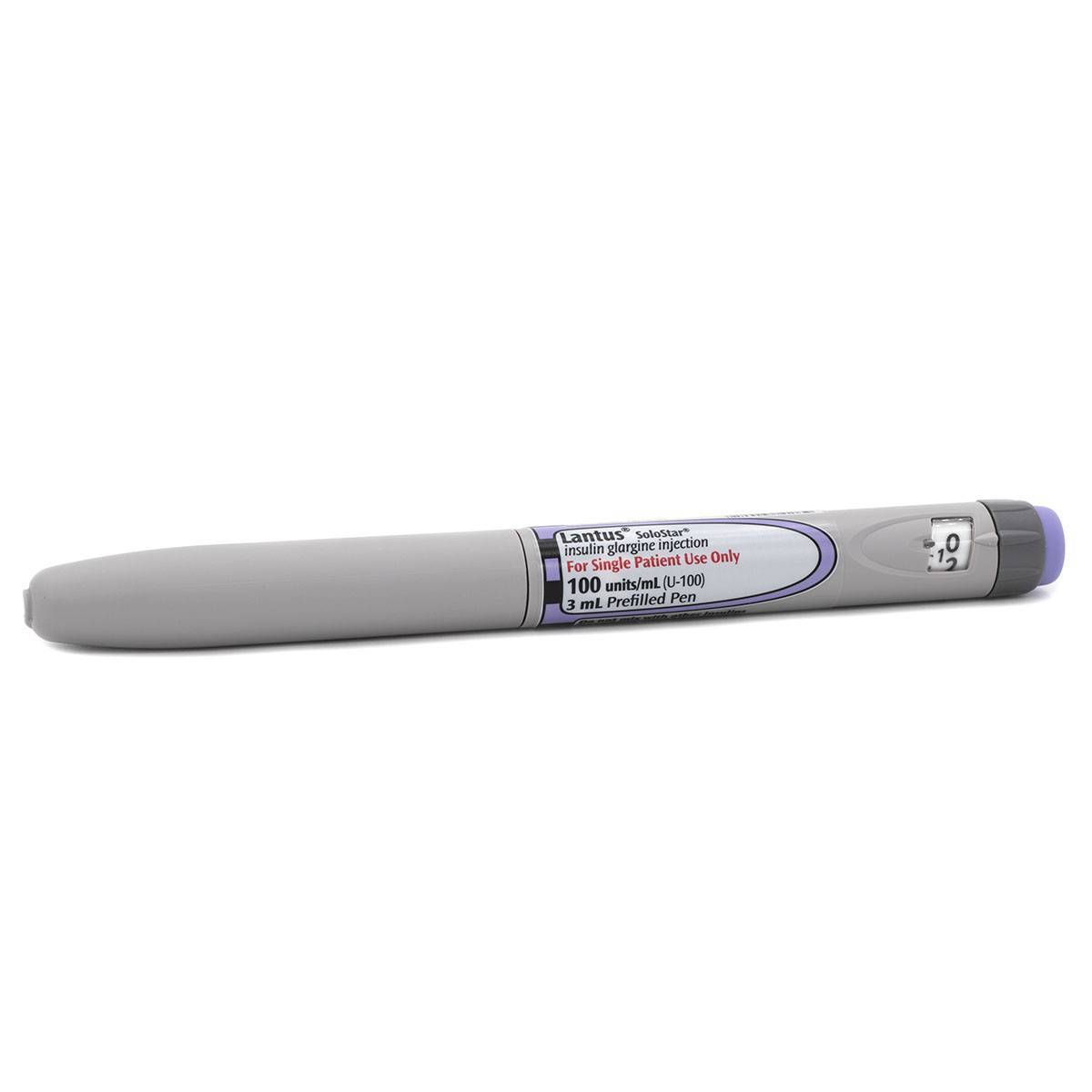
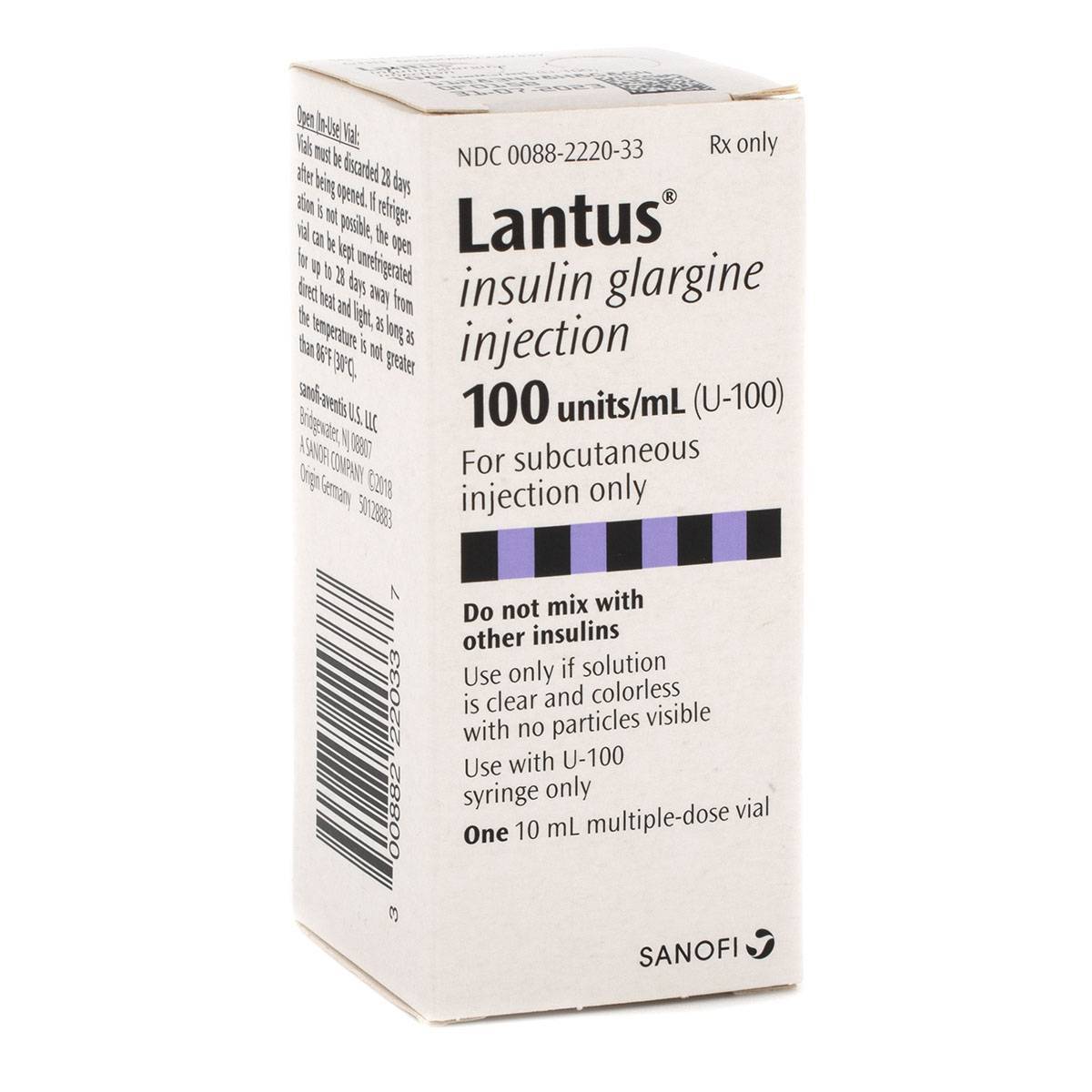
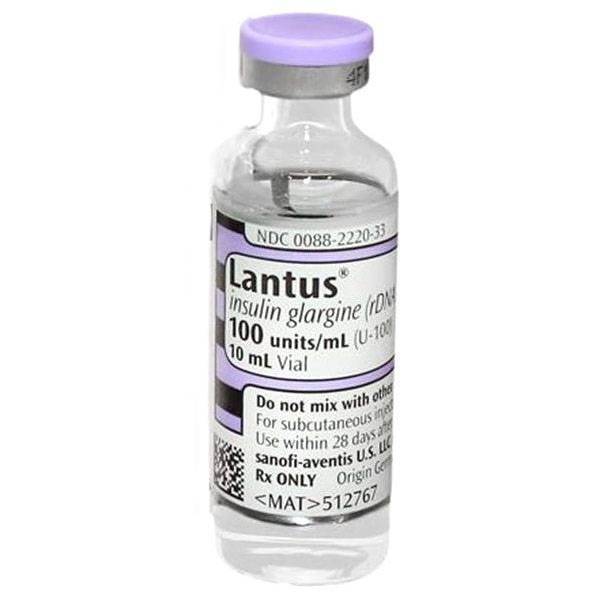
Lantus (insulin glargine injection)

Lantus (insulin glargine injection) Rx

100units/mL, 10mL vial

Save $39.20!
$169.19 $129.99

In Stock FREE Shipping Eligible Price Match Guarantee

Questions?

Email us at customerservice@vetrxdirect.com
or please call us at
1-866-761-6578

*****This product is a refrigerated item and $19.99 OVERNIGHT SHIPPING IS REQUIRED.*****
 
 
Lantus (insulin glargine injection) 
 

Client Information Sheet

For

Insulin (Rx)


General Description: Insulin is an injectable medication used to control diabetic patients’ blood sugar levels. Your veterinarian has chosen this product to most closely match your pet’s natural insulin. Special insulin syringes (U-100) will be necessary to administer this product. Review the material below now and each time you refill this prescription.


What is this drug?

  • Insulin is a hormone that is naturally produced by the pancreas. It helps regulate blood sugar. When the body doesn’t produce enough insulin or when it is produced but not effective, the result is diabetes. Administration of commercial insulin will slowly release insulin into your pet’s body tissue.

  • Insulin is a simple molecule, but they do vary slightly between species. Your veterinarian will choose the best insulin for your pet.

  • Insulin is not a cure for diabetes, but a tool to control blood sugars and alleviate clinical signs

  • Insulin is given by injection under the skin


Reasons for prescribing:

  • Used to control hyperglycemia in dogs and cats with diabetes mellitus

  • This medication will cause the blood sugar to go down


What dogs/cats should not take this medication?

  • The safety and effectiveness in puppies and kittens, as well as breeding, pregnant and nursing dogs and cats has not been evaluated

  • Pets who have stopped eating, are anorexic, vomiting, showing signs of extreme drowsiness or fatigue and/or showing signs of severe ketoacidosis

  • Pets known to have had an allergic reaction to insulin

  • Pets allergic to pork or beef should not use insulin from either of these sources


Directions:

Veterinary insulin products should be given subcutaneously (under the skin) using a U-40 insulin syringe only. Most human products are 100 units per milliliter, therefore would use a U-100 syringe. Some syringes are marked in units and milliliters. Be sure to use the unit scale.

Consult with your veterinarian to ensure you are using the correct syringe for the product prescribed. Ensure you use the correct syringe or you will likely cause incorrect dosing. Accurate dosing/measuring is critical.

Insulin syringes bought at the drugstore may require a prescription.

Feed your pet, make sure that a reasonable amount has been eaten and then give the insulin. If you think your pet is off food or not eating well, do not give the insulin and notify your vet.

Meals should be approximately equal and fed ~12 hours apart.

Giving the injection:

Just prior to use, gently roll the vial between the palms of your hands ~10 times. Do not shake.

When drawing up the insulin, always hold the bottle vertically to avoid unnecessary bubbles in the syringe. If you get bubbles in the syringe, flick the syringe with fingers until the bubble rises to the top and simple plush the air out of the syringe with the plunger.

Before injecting insulin, allow it to come to room temperature in the syringe. Pull up a handful of your pet’s scruff. A triangle of skin is formed. Aim your needle for the center of this triangle and stick in the needle. Do not be shy or the needle will not penetrate the thick skin. Pull back slightly on the syringe plunger to ensure you do not get blood back in the syringe. If you see blood, pull the syringe and start over in a slightly different location. If you do not see blood, press the plunger forward and deliver the insulin dose. Reward your pet!

Remember to rotate the injection sites with each injection.

If there is struggling or your pet escapes and you are not sure if your pet got the entire dose of insulin, do not give more, but wait until the next scheduled dose.

Dosage regimens vary greatly among patients. The goal is to maintain blood sugar levels in an acceptable range over the course of the day, by giving injections once or twice a day (usually twice).

Peak effect is ~4-10 hours after dose is given.

Keeping the sugars in proper range will control your pet’s excessive urination and appetite. Trial and error with dosing will be necessary and will be adjusted based upon your pet’s blood glucose levels and improvement of other clinical signs.

Further adjustments may be necessary to the pet’s diet (high protein/low carbohydrate – cats; high fiber - dogs), body weight or other medications.

Follow any diet or exercise plan developed for your pet by your veterinarian.

Do not give a dose of insulin if the pet is experiencing low blood glucose (hypoglycemia). Common causes for hypoglycemia include: excessive doses of insulin, failure to eat, accidental doubling of insulin dose, strenuous exercise, drug effects.
Do not give insulin if the pet has not eaten for 12-24 hours.

Do not change the pet’s food, feeding schedule or exercise schedule once regulated. Unscheduled treats should be avoided.

Lantus is a clear liquid; the other insulins are cloudy when gently mixed. Discard opened bottles after 4 weeks.

Ensure you always have at least two bottles of insulin on hand.

Ensure your pet has fresh, clean drinking water at all times. Monitoring water consumption and urination amount is a good indication of glucose control.


What if dose is missed?

If you miss a dose, give it as soon as you remember it, but if it is within a few hours of the regularly scheduled dose, wait and give it at the regular time. Occasional missed doses are easily tolerated; overdoses can be fatal.


What to tell/ask veterinarian before giving medication?

Talk to your veterinarian about:

  • The signs of diabetes mellitus that you’ve noticed

  • When will your pet need to be rechecked. Frequent blood glucose tests will need to be done initially to determine the type of insulin to use and the correct dose required. After this has been determined, follow up blood checks will need to be done according to your veterinarian’s advice.

  • It is not uncommon for a pet’s insulin requirement to change over time. Watch for weight loss, excessive appetite, thirst and urination. An adjustment to the insulin dose may be necessary.

  • The importance of consistent daily injections, consistent weight, diet and exercise and home monitoring

  • Risks and benefits of using this drug


Tell your veterinarian about:

  • If your pet has experienced side-effects on other drugs/products

  • If your pet has experienced digestive upset now or ever

  • If your pet has experienced liver, pancreas, thyroid, adrenal gland or kidney disease now or ever

  • If your pet has experienced any other medical problems or allergies now or ever

  • All medicines and supplements that you are giving your pet or plan to give your pet, including those you can get without a prescription. Your veterinarian may want to check that all of your pet’s medicines can be given together.

  • If your pet is pregnant or nursing. Spaying your intact pet will likely be necessary.


Storage and Warnings:

Some insulins need to be refrigerated and others do not. Follow the manufacturer’s recommendations. Do not freeze. Protect from light.

Just prior to use, gently roll the vial between the palms of your hands ~10 times. Do not shake.

Do not re-use a syringe. Dispose of all syringes in a ‘Sharps’ container or another appropriate puncture-resistant disposal container. Discuss disposal options for this container with your veterinarian.

Do not use any insulin product after the labeled expiration date.

Do not use any insulin that has been frozen or exposed to direct heat or light.

Do not use the insulin if the product has become discolored, has particles in it, or looks different than previous vials.

Discard opened bottles after 4 weeks.

Keep this and all medication out of reach of children and pets. Call your physician immediately if you accidentally take this product.

Pet owners allergic to insulin and/or other antibiotics should avoid handling this drug.


Potential side effects:

  • Pets allergic to pork or beef should not use insulin from either of these sources

  • Allergies are rare, but an allergic reaction would show as difficult breathing, hives, scratching, swollen lips, tongue or face, sudden onset of diarrhea, vomiting, shock, seizures, pale gums, cold limbs, or coma. If you observe any of these symptoms, contact your veterinarian immediately.

  • Low blood sugar (hypoglycemia) is the most common side effect. It is caused by giving too much insulin, missing or delaying food, changing the food or amount fed, increasing exercise, an infection or illness or a drug interaction.
    Symptoms include disorientation, weakness, hunger, nausea, rapid heartbeat, lethargy, staggering, cold, possibly seizures and coma. Hypoglycemic cats may simply be inactive. Offer the pet food. If s/he won’t eat, give the pet sugar (ex. light Karo syrup) rubbed carefully onto the pet’s gums. Swallowing is not necessary as the sugars are absorbed directly through the mucous membranes of the mouth. This should revive the pet within 1-2 minutes. Once your pet has responded and is sitting up, feed s/he a high-protein meal. Contact your veterinarian for the next step(s).

  • High blood sugar (hyperglycemia): notify your veterinarian immediately if the pet experiences drowsiness, dry mouth, flushed dry skin, increased urination, loss of appetite, nausea, vomiting, trouble breathing or unusual thirst.

  • Contact your veterinarian if you notice excessive water consumption for more than 3 days, excessive urination, loss of appetite, weakness, seizures, behavior change, muscle twitching, anxiety, constipation, vomiting, diarrhea, signs of a bladder infection (small, frequent urinations, straining, blood in the urine) or swelling of the head or neck

  • Dogs who are poorly regulated have a greater risk of developing cataracts

  • Females should be spayed as estrus will change insulin requirements

  • If you notice anything unusual, contact your veterinarian


Can this drug be given with other drugs?

  • Yes, but the dose may need to be adjusted. These drugs may interact with insulin: anabolic steroids, alcohol, aspirin and other salicylates, beta-adrenergic blockers, cardiac glycosides, dextrothyroxine, dobutamine, epinephrine, estrogen/progesterone combinations, furosoemide, glucocorticoids, guanethidine, monoamine oxidase inhibitors, phenylbutazone, sulfinpyrazone, tetracycline, thyiazide diuretics and thyroid medications.

  • Do not give any other prescription or over-the-counter drugs, including vitamins, minerals and herbal products, without first talking to your veterinarian.

  • If your pet experiences any unusual reactions when taking multiple medications, contact your veterinarian


Overdosing?

Contact your veterinarian immediately if you inject more than the prescribed amount.


What else should I know?

Have your pet wear an identification tag that indicates it is a diabetic. Perhaps include your veterinarian’s name and phone number.


Never leave home without sugar or corn syrup. Liquid glucose packets can be bought at your pharmacy. Become very aware of your pet’s ‘normal’ behavior in order to determine when something is wrong.


There are urine dipstick tests that can help you measure urine glucose. If you detect ketones in the urine, this can be a very bad sign. Contact your veterinarian if urine ketones persist more than a couple of days.

Litter additives that detect glucose in urine are also available.


Notify your veterinarian if your animal’s condition does not improve or worsens despite this treatment.


As with all prescribed medicines, insulin should only be given to the dog/cat for which it was prescribed.


This is just a summary of information about insulin. If you have any questions or concerns about insulin or diabetes, contact your veterinarian.


©North American Compendiums Inc. 2009. All rights reserved

 
U-100 Insulin syringes and iPet home glucose testing products also available at VetRxDirect!

LANTUS® must NOT be diluted or mixed with any other insulin or solution.

DESCRIPTION

LANTUS® (insulin glargine [rDNA origin] injection) is a sterile solution of insulin glargine for use as an injection. Insulin glargine is a recombinant human insulin analog that is a long-acting (up to 24-hour duration of action), parenteral blood-glucose-lowering agent. LANTUS is produced by recombinant DNA technology utilizing a non-pathogenic laboratory strain of Escherichia coli (K12) as the production organism. Insulin glargine differs from human insulin in that the amino acid asparagine at position A21 is replaced by glycine and two arginines are added to the C-terminus of the B-chain. Chemically, it is 21A-Gly-30Ba-L-Arg-30Bb-L-Arg-human insulin and has the empirical formula C267H404N72O78S6 and a molecular weight of 6063. It has the following structural formula:

LANTUS consists of insulin glargine dissolved in a clear aqueous fluid. Each milliliter of LANTUS (insulin glargine injection) contains 100 IU (3.6378 mg) insulin glargine.

Inactive ingredients for the 10 mL vial are 30 mcg zinc, 2.7 mg m-cresol, 20 mg glycerol 85%, 20 mcg polysorbate 20, and water for injection. Inactive ingredients for the 3 mL cartridge are 30 mcg zinc, 2.7 mg m-cresol, 20 mg glycerol 85%, and water for injection.

The pH is adjusted by addition of aqueous solutions of hydrochloric acid and sodium hydroxide. LANTUS has a pH of approximately 4.


CLINICAL PHARMACOLOGY

Mechanism of Action:
The primary activity of insulin, including insulin glargine, is regulation of glucose metabolism. Insulin and its analogs lower blood glucose levels by stimulating peripheral glucose uptake, especially by skeletal muscle and fat, and by inhibiting hepatic glucose production. Insulin inhibits lipolysis in the adipocyte, inhibits proteolysis, and enhances protein synthesis.

Pharmacodynamics:
Insulin glargine is a human insulin analog that has been designed to have low aqueous solubility at neutral pH. At pH 4, as in the LANTUS injection solution, it is completely soluble. After injection into the subcutaneous tissue, the acidic solution is neutralized, leading to formation of microprecipitates from which small amounts of insulin glargine are slowly released, resulting in a relatively constant concentration/time profile over 24 hours with no pronounced peak. This profile allows once-daily dosing as a patient's basal insulin.

In clinical studies, the glucose-lowering effect on a molar basis (i.e., when given at the same doses) of intravenous insulin glargine is approximately the same as human insulin. In euglycemic clamp studies in healthy subjects or in patients with type 1 diabetes, the onset of action of subcutaneous insulin glargine was slower than NPH human insulin. The effect profile of insulin glargine was relatively constant with no pronounced peak and the duration of its effect was prolonged compared to NPH human insulin. Figure 1 shows results from a study in patients with type 1 diabetes conducted for a maximum of 24 hours after the injection. The median time between injection and the end of pharmacological effect was 14.5 hours (range: 9.5 to 19.3 hours) for NPH human insulin, and 24 hours (range: 10.8 to >24.0 hours) (24 hours was the end of the observation period) for insulin glargine.

Figure 1. Activity Profile in Patients with Type 1 Diabetes

* Determined as amount of glucose infused to maintain constant plasma glucose levels (hourly mean values); indicative of insulin activity.
Between-patient variability (CV, coefficient of variation); insulin glargine, 84% and NPH, 78%. 

The longer duration of action (up to 24 hours) of LANTUS is directly related to its slower rate of absorption and supports once-daily subcutaneous administration. The time course of action of insulins, including LANTUS, may vary between individuals and/or within the same individual.

Pharmacokinetics:
Absorption and Bioavailability. After subcutaneous injection of insulin glargine in healthy subjects and in patients with diabetes, the insulin serum concentrations indicated a slower, more prolonged absorption and a relatively constant concentration/time profile over 24 hours with no pronounced peak in comparison to NPH human insulin. Serum insulin concentrations were thus consistent with the time profile of the pharmacodynamic activity of insulin glargine.

After subcutaneous injection of 0.3 IU/kg insulin glargine in patients with type 1 diabetes, a relatively constant concentration/time profile has been demonstrated. The duration of action after abdominal, deltoid, or thigh subcutaneous administration was similar.

Metabolism. A metabolism study in humans indicates that insulin glargine is partly metabolized at the carboxyl terminus of the B chain in the subcutaneous depot to form two active metabolites with in vitro activity similar to that of insulin, M1 (21A-Gly-insulin) and M2 (21A-Gly-des-30B-Thr-insulin). Unchanged drug and these degradation products are also present in the circulation.

Special Populations:
Age, Race, and Gender. Information on the effect of age, race, and gender on the pharmacokinetics of LANTUS is not available. However, in controlled clinical trials in adults (n=3890) and a controlled clinical trial in pediatric patients (n=349), subgroup analyses based on age, race, and gender did not show differences in safety and efficacy between insulin glargine and NPH human insulin.

Smoking. The effect of smoking on the pharmacokinetics/pharmacodynamics of LANTUS has not been studied.  

Pregnancy. The effect of pregnancy on the pharmacokinetics and pharmacodynamics of LANTUS has not been studied

Obesity. In controlled clinical trials, which included patients with Body Mass Index (BMI) up to and including 49.6 kg/m2, subgroup analyses based on BMI did not show any differences in safety and efficacy between insulin glargine and NPH human insulin.

Renal Impairment. The effect of renal impairment on the pharmacokinetics of LANTUS has not been studied. However, some studies with human insulin have shown increased circulating levels of insulin in patients with renal failure. Careful glucose monitoring and dose adjustments of insulin, including LANTUS, may be necessary in patients with renal dysfunction

Hepatic Impairment. The effect of hepatic impairment on the pharmacokinetics of LANTUS has not been studied. However, some studies with human insulin have shown increased circulating levels of insulin in patients with liver failure. Careful glucose monitoring and dose adjustments of insulin, including LANTUS, may be necessary in patients with hepatic dysfunction.

Clinical Studies

The safety and effectiveness of insulin glargine given once-daily at bedtime was compared to that of once-daily and twice-daily NPH human insulin in open-label, randomized, active-control, parallel studies of 2327 adult patients and 349 pediatric patients with type 1 diabetes mellitus and 1563 adult patients with type 2 diabetes mellitus (see Tables 1-3). In general, the reduction in glycated hemoglobin (HbA1c) with LANTUS was similar to that with NPH human insulin. The overall rates of hypoglycemia did not differ between patients with diabetes treated to LANTUS compared with NPH human insulin.

Type 1 Diabetes–Adult (see Table 1). In two large, randomized, controlled clinical studies (Studies A and B), patients with type 1 diabetes (Study A; n=585, Study B; n=534) were randomized to basal-bolus treatment with LANTUS once daily at bedtime or to NPH human insulin once or twice daily and treated for 28 weeks. Regular human insulin was administered before each meal. LANTUS was administered at bedtime. NPH human insulin was administered once daily at bedtime or in the morning and at bedtime when used twice daily. In one large, randomized, controlled clinical study (Study C), patients with type 1 diabetes (n=619) were treated for 16 weeks with a basal-bolus insulin regimen where insulin lispro was used before each meal. LANTUS was administered once daily at bedtime and NPH human insulin was administered once or twice daily. In these studies, LANTUS and NPH human insulin had a similar effect on glycohemoglobin with a similar overall rate of hypoglycemia.

Table 1: Type 1 Diabetes Mellitus—Adult
 
Treatment duration
Treatment in combination with
 
Number of subjects treated
HbA1c
  Endstudy mean
  Adj. mean change from baseline
    LANTUS – NPH
    95% CI for Treatment difference
Basal insulin dose
  Endstudy mean
  Mean change from baseline
Total insulin dose
  Endstudy mean
  Mean change from baseline
Fasting blood glucose (mg/dL)
  Endstudy mean
  Adj. mean change from baseline
Study A
28 weeks
Regular insulin
LANTUS
NPH
292
293
   
8.13
8.07
+0.21
+0.10
+0.11
(-0.03; +0.24)
   
19.2
22.8
-1.7
-0.3
   
46.7
51.7
-1.1
-0.1
   
146.3
150.8
-21.1
-16.0
 
Treatment duration
Treatment in combination with
 
Number of subjects treated
HbA1c
  Endstudy mean
  Adj. mean change from baseline
    LANTUS – NPH
    95% CI for Treatment difference
Basal insulin dose
  Endstudy mean
  Mean change from baseline
Total insulin dose
  Endstudy mean
  Mean change from baseline
Fasting blood glucose (mg/dL)
  Endstudy mean
  Adj. mean change from baseline
Study B
28 weeks
Regular insulin
LANTUS
NPH
264
270
   
7.55
7.49
-0.16
-0.21
+0.05
(-0.08; +0.19)
   
24.8
31.3
-4.1
+1.8
   
50.3
54.8
+0.3
+3.7
   
147.8
154.4
-20.2
-16.9
 
Treatment duration
Treatment in combination with
 
Number of subjects treated
HbA1c
  Endstudy mean
  Adj. mean change from baseline
    LANTUS – NPH
    95% CI for Treatment difference
Basal insulin dose
  Endstudy mean
  Mean change from baseline
Total insulin dose
  Endstudy mean
  Mean change from baseline
Fasting blood glucose (mg/dL)
  Endstudy mean
  Adj. mean change from baseline
Study C
16 weeks
Insulin lispro
LANTUS
NPH
310
309
   
7.53
7.60
-0.07
-0.08
+0.01
(-0.11; +0.13)
   
23.9
29.2
-4.5
+0.9
   
47.4
50.7
-2.9
+0.3
   
144.4
161.3
-29.3
-11.9

Type 1 Diabetes–Pediatric (see Table 2). In a randomized, controlled clinical study (Study D), pediatric patients (age range 6 to 15 years) with type 1 diabetes (n=349) were treated for 28 weeks with a basal-bolus insulin regimen where regular human insulin was used before each meal. LANTUS was administered once daily at bedtime and NPH human insulin was administered once or twice daily. Similar effects on glycohemoglobin and the incidence of hypoglycemia were observed in both treatment groups.

Table 2: Type 1 Diabetes Mellitus—Pediatric

 
Treatment duration
Treatment in combination with
 
Number of subjects treated
HbA1c
  Endstudy mean
  Adj. mean change from baseline
    LANTUS – NPH
    95% CI for Treatment difference
Basal insulin dose
  Endstudy mean
  Mean change from baseline
Total insulin dose
  Endstudy mean
  Mean change from baseline
Fasting blood glucose (mg/dL)
  Endstudy mean
  Adj. mean change from baseline
Study D
28 weeks
Regular insulin
LANTUS
NPH
174
175
   
8.91
9.18
+0.28
+0.27
+0.01
(-0.24; +0.26)
   
18.2
21.1
-1.3
+2.4
   
45.0
46.0
+1.9
+3.4
   
171.9
182.7
-23.2
-12.2

Type 2 Diabetes–Adult (see Table 3). In a large, randomized, controlled clinical study (Study E) (n=570), LANTUS was evaluated for 52 weeks as part of a regimen of combination therapy with insulin and oral antidiabetes agents (a sulfonylurea, metformin, acarbose, or combinations of these drugs). LANTUS administered once daily at bedtime was as effective as NPH human insulin administered once daily at bedtime in reducing glycohemoglobin and fasting glucose. There was a low rate of hypoglycemia that was similar in LANTUS and NPH human insulin treated patients. In a large, randomized, controlled clinical study (Study F), in patients with type 2 diabetes not using oral antidiabetes agents (n=518), a basal-bolus regimen of LANTUS once daily at bedtime or NPH human insulin administered once or twice daily was evaluated for 28 weeks. Regular human insulin was used before meals as needed. LANTUS had similar effectiveness as either once- or twice-daily NPH human insulin in reducing glycohemoglobin and fasting glucose with a similar incidence of hypoglycemia.

Table 3: Type 2 Diabetes MellitusAdult
 
Treatment duration
Treatment in combination with
 
Number of subjects treated
HbA1c
  Endstudy mean
  Adj. mean change from baseline
    LANTUS – NPH
    95% CI for Treatment difference
Basal insulin dose
  Endstudy mean
  Mean change from baseline
Total insulin dose
  Endstudy mean
  Mean change from baseline
Fasting blood glucose (mg/dL)
  Endstudy mean
  Adj. mean change from baseline
Study E
52 weeks
Oral agents
LANTUS
NPH
289
281
   
8.51
8.47
-0.46
-0.38
-0.08
(-0.28; +0.12)
   
25.9
23.6
+11.5
+9.0
   
25.9
23.6
+11.5
+9.0
   
126.9
129.4
-49.0
-46.3
Study F
28 weeks
Regular insulin
LANTUS
NPH
259
259
   
8.14
7.96
-0.41
-0.59
+0.17
(-0.00; +0.35)
   
42.9
52.5
-1.2
+7.0
   
74.3
80.0
+10.0
+13.1
   
141.5
144.5
-23.8
-21.6

LANTUS Flexible Daily Dosing
The safety and efficacy of LANTUS administered pre-breakfast, pre-dinner, or at bedtime were evaluated in a large, randomized, controlled clinical study, in patients with type 1 diabetes (study G, n=378). Patients were also treated with insulin lispro at mealtime. LANTUS administered at different times of the day resulted in similar reductions in glycated hemoglobin compared to that with bedtime administration (see Table 4). In these patients, data are available from 8-point home glucose monitoring. The maximum mean blood glucose level was observed just prior to injection of LANTUS regardless of time of administration, i.e. pre-breakfast, pre-dinner, or bedtime.

In this study, 5% of patients in the LANTUS-breakfast arm discontinued treatment because of lack of efficacy. No patients in the other two arms discontinued for this reason. Routine monitoring during this trial revealed the following mean changes in systolic blood pressure: pre-breakfast group, 1.9 mm Hg; pre-dinner group, 0.7 mm Hg; pre-bedtime group, -2.0 mm Hg.

The safety and efficacy of LANTUS administered pre-breakfast or at bedtime were also evaluated in a large, randomized, active-controlled clinical study (Study H, n=697) in type 2 diabetes patients no longer adequately controlled on oral agent therapy. All patients in this study also received AMARYL® (glimeperide) 3 mg daily. LANTUS given before breakfast was at least as effective in lowering glycated hemoglobin A1c (HbA1c) as LANTUS given at bedtime or NPH human insulin given at bedtime (see Table 4).

Table 4: Flexible LANTUS Daily Dosing in Type 1 (Study G) and Type 2 (Study H) Diabetes Mellitus
 
Treatment
duration
Treatment in
combination
with:
Study G

24 weeks


Insulin lispro
Study H

24 weeks


AMARYL® (glimepiride)
 
LANTUS
LANTUS
LANTUS
Breakfast
Dinner
Bedtime
LANTUS
LANTUS
NPH
Breakfast
Bedtime
Bedtime
Number of subjects treated*
HbA1c
  Baseline
  mean
  Endstudy
  mean
  Mean
  change
  from
  baseline
Basal insulin
dose (IU)
  Endstudy
  mean
    Mean
    change
    from
    baseline
Total insulin dose (IU)
  Endstudy
  mean
    Mean
    change
    from
    baseline
112
124
128
     
7.56
7.53
7.61
7.39
7.42
7.57
-0.17
-0.11
-0.04
     
27.3
24.6
22.8
5.0
1.8
1.5
     
53.3
54.7
51.5
1.6
3.0
2.3
234
226
227
     
9.13
9.07
9.09
7.87
8.12
8.27
-1.26
-0.95
-0.83
     
40.4
38.5
36.8


NA**
NA
NA


*Intent to treat **Not applicable

INDICATIONS AND USAGE

LANTUS is indicated for once-daily subcutaneous administration for the treatment of adult and pediatric patients with type 1 diabetes mellitus or adult patients with type 2 diabetes mellitus who require basal (long-acting) insulin for the control of hyperglycemia.

CONTRAINDICATIONS

LANTUS is contraindicated in patients hypersensitive to insulin glargine or the excipients. 

WARNINGS

Hypoglycemia is the most common adverse effect of insulin, including LANTUS. As with all insulins, the timing of hypoglycemia may differ among various insulin formulations. Glucose monitoring is recommended for all patients with diabetes.

Any change of insulin should be made cautiously and only under medical supervision. Changes in insulin strength, timing of dosing, manufacturer, type (e.g., regular, NPH, or insulin analogs), species (animal, human), or method of manufacture (recombinant DNA versus animal-source insulin) may result in the need for a change in dosage. Concomitant oral antidiabetes treatment may need to be adjusted.

PRECAUTIONS

General:
LANTUS is not intended for intravenous administration. The prolonged duration of activity of insulin glargine is dependent on injection into subcutaneous tissue. Intravenous administration of the usual subcutaneous dose could result in severe hypoglycemia.

LANTUS must NOT be diluted or mixed with any other insulin or solution. If LANTUS is diluted or mixed, the solution may become cloudy, and the pharmacokinetic/pharmacodynamic profile (e.g., onset of action, time to peak effect) of LANTUS and/or the mixed insulin may be altered in an unpredictable manner. When LANTUS and regular human insulin were mixed immediately before injection in dogs, a delayed onset of action and time to maximum effect for regular human insulin was observed. The total bioavailability of the mixture was also slightly decreased compared to separate injections of LANTUS and regular human insulin. The relevance of these observations in dogs to humans is not known.

As with all insulin preparations, the time course of LANTUS action may vary in different individuals or at different times in the same individual and the rate of absorption is dependent on blood supply, temperature, and physical activity.

Insulin may cause sodium retention and edema, particularly if previously poor metabolic control is improved by intensified insulin therapy.

Hypoglycemia:
As with all insulin preparations, hypoglycemic reactions may be associated with the administration of LANTUS. Hypoglycemia is the most common adverse effect of insulins. Early warning symptoms of hypoglycemia may be different or less pronounced under certain conditions, such as long duration of diabetes, diabetes nerve disease, use of medications such as beta-blockers, or intensified diabetes control  Such situations may result in severe hypoglycemia (and, possibly, loss of consciousness) prior to patients’ awareness of hypoglycemia.

The time of occurrence of hypoglycemia depends on the action profile of the insulins used and may, therefore, change when the treatment regimen or timing of dosing is changed. Patients being switched from twice daily NPH insulin to once-daily LANTUS should have their initial LANTUS dose reduced by 20% from the previous total daily NPH dose to reduce the risk of hypoglycemia

The prolonged effect of subcutaneous LANTUS may delay recovery from hypoglycemia.

In a clinical study, symptoms of hypoglycemia or counterregulatory hormone responses were similar after intravenous insulin glargine and regular human insulin both in healthy subjects and patients with type 1 diabetes.

Renal Impairment:
Although studies have not been performed in patients with diabetes and renal impairment, LANTUS requirements may be diminished because of reduced insulin metabolism, similar to observations found with other insulins

Hepatic Impairment:
Although studies have not been performed in patients with diabetes and hepatic impairment, LANTUS requirements may be diminished due to reduced capacity for gluconeogenesis and reduced insulin metabolism, similar to observations found with other insulins

Injection Site and Allergic Reactions:
As with any insulin therapy, lipodystrophy may occur at the injection site and delay insulin absorption. Other injection site reactions with insulin therapy include redness, pain, itching, hives, swelling, and inflammation. Continuous rotation of the injection site within a given area may help to reduce or prevent these reactions. Most minor reactions to insulins usually resolve in a few days to a few weeks.

Reports of injection site pain were more frequent with LANTUS than NPH human insulin (2.7% insulin glargine versus 0.7% NPH). The reports of pain at the injection site were usually mild and did not result in discontinuation of therapy.

Immediate-type allergic reactions are rare. Such reactions to insulin (including insulin glargine) or the excipients may, for example, be associated with generalized skin reactions, angioedema, bronchospasm, hypotension, or shock and may be life threatening.

Intercurrent Conditions:
Insulin requirements may be altered during intercurrent conditions such as illness, emotional disturbances, or stress.

Information for Patients:
LANTUS must only be used if the solution is clear and colorless with no particles visible

Patients must be advised that LANTUS must NOT be diluted or mixed with any other insulin or solution

Patients should be instructed on self-management procedures including glucose monitoring, proper injection technique, and hypoglycemia and hyperglycemia management. Patients must be instructed on handling of special situations such as intercurrent conditions (illness, stress, or emotional disturbances), an inadequate or skipped insulin dose, inadvertent administration of an increased insulin dose, inadequate food intake, or skipped meals. Refer patients to the LANTUS "Patient Information" circular for additional information.

As with all patients who have diabetes, the ability to concentrate and/or react may be impaired as a result of hypoglycemia or hyperglycemia.

Patients with diabetes should be advised to inform their health care professional if they are pregnant or are contemplating pregnancy.

Drug Interactions:
A number of substances affect glucose metabolism and may require insulin dose adjustment and particularly close monitoring.

The following are examples of substances that may increase the blood-glucose-lowering effect and susceptibility to hypoglycemia: oral antidiabetes products, ACE inhibitors, disopyramide, fibrates, fluoxetine, MAO inhibitors, propoxyphene, salicylates, somatostatin analog (e.g., octreotide), sulfonamide antibiotics.

The following are examples of substances that may reduce the blood-glucose-lowering effect of insulin: corticosteroids, danazol, diuretics, sympathomimetic agents (e.g., epinephrine, albuterol, terbutaline), isoniazid, phenothiazine derivatives, somatropin, thyroid hormones, estrogens, progestogens (e.g., in oral contraceptives), protease inhibitors and atypical antipsychotic medications (e.g. olanzapine and clozapine).

Beta-blockers, clonidine, lithium salts, and alcohol may either potentiate or weaken the blood-glucose-lowering effect of insulin. Pentamidine may cause hypoglycemia, which may sometimes be followed by hyperglycemia.

In addition, under the influence of sympatholytic medicinal products such as beta-blockers, clonidine, guanethidine, and reserpine, the signs of hypoglycemia may be reduced or absent.

Carcinogenesis, Mutagenesis, Impairment of Fertility:
In mice and rats, standard two-year carcinogenicity studies with insulin glargine were performed at doses up to 0.455 mg/kg, which is for the rat approximately 10 times and for the mouse approximately 5 times the recommended human subcutaneous starting dose of 10 IU (0.008 mg/kg/day), based on mg/m2. The findings in female mice were not conclusive due to excessive mortality in all dose groups during the study. Histiocytomas were found at injection sites in male rats (statistically significant) and male mice (not statistically significant) in acid vehicle containing groups. These tumors were not found in female animals, in saline control, or insulin comparator groups using a different vehicle. The relevance of these findings to humans is unknown.

Insulin glargine was not mutagenic in tests for detection of gene mutations in bacteria and mammalian cells (Ames- and HGPRT-test) and in tests for detection of chromosomal aberrations (cytogenetics in vitro in V79 cells and in vivo in Chinese hamsters).

In a combined fertility and prenatal and postnatal study in male and female rats at subcutaneous doses up to 0.36 mg/kg/day, which is approximately 7 times the recommended human subcutaneous starting dose of 10 IU (0.008 mg/kg/day), based on mg/m2, maternal toxicity due to dose-dependent hypoglycemia, including some deaths, was observed. Consequently, a reduction of the rearing rate occurred in the high-dose group only. Similar effects were observed with NPH human insulin.

Pregnancy:
Teratogenic Effects: Pregnancy Category C. Subcutaneous reproduction and teratology studies have been performed with insulin glargine and regular human insulin in rats and Himalayan rabbits. The drug was given to female rats before mating, during mating, and throughout pregnancy at doses up to 0.36 mg/kg/day, which is approximately 7 times the recommended human subcutaneous starting dose of 10 IU (0.008 mg/kg/day), based on mg/m2. In rabbits, doses of 0.072 mg/kg/day, which is approximately 2 times the recommended human subcutaneous starting dose of 10 IU (0.008 mg/kg/day), based on mg/m2, were administered during organogenesis. The effects of insulin glargine did not generally differ from those observed with regular human insulin in rats or rabbits. However, in rabbits, five fetuses from two litters of the high-dose group exhibited dilation of the cerebral ventricles. Fertility and early embryonic development appeared normal.

There are no well-controlled clinical studies of the use of insulin glargine in pregnant women. It is essential for patients with diabetes or a history of gestational diabetes to maintain good metabolic control before conception and throughout pregnancy. Insulin requirements may decrease during the first trimester, generally increase during the second and third trimesters, and rapidly decline after delivery. Careful monitoring of glucose control is essential in such patients. Because animal reproduction studies are not always predictive of human response, this drug should be used during pregnancy only if clearly needed.

Nursing Mothers:
It is unknown whether insulin glargine is excreted in significant amounts in human milk. Many drugs, including human insulin, are excreted in human milk. For this reason, caution should be exercised when LANTUS is administered to a nursing woman. Lactating women may require adjustments in insulin dose and diet.

Pediatric Use:
Safety and effectiveness of LANTUS have been established in the age group 6 to 15 years with type 1 diabetes.

Geriatric Use:
In controlled clinical studies comparing insulin glargine to NPH human insulin, 593 of 3890 patients with type 1 and type 2 diabetes were 65 years and older. The only difference in safety or effectiveness in this subpopulation compared to the entire study population was an expected higher incidence of cardiovascular events in both insulin glargine and NPH human insulin-treated patients.

In elderly patients with diabetes, the initial dosing, dose increments, and maintenance dosage should be conservative to avoid hypoglycemic reactions. Hypoglycemia may be difficult to recognize in the elderly

Insulin (Rx)

Trade Names:

ProZinc™

Vetsulin®

General Description:

Insulin is an injectable medication used to control diabetic patients' blood sugar levels. Your veterinarian has chosen this product to most closely match your pet's natural insulin. Special insulin syringes (U-40) will be necessary to administer this product. Review the material below now and each time you refill this prescription.

What is this drug?

  • Insulin is a hormone that is naturally produced by the pancreas. It helps regulate blood sugar. When the body doesn't produce enough insulin or when it is produced but not effective, the result is diabetes. Administration of commercial insulin will slowly release insulin into your pet's body tissue.
  • Insulin is a simple molecule, but they do vary slightly between species. Your veterinarian will choose the best insulin for your pet.
  • Insulin is not a cure for diabetes, but a tool to control blood sugars and alleviate clinical signs
  • Insulin is given by injection under the skin

Reasons for prescribing:

  • Used to control hyperglycemia in dogs and cats with diabetes mellitus
  • This medication will cause the blood sugar to go down

What dogs/cats should not take this medication?

  • The safety and effectiveness in puppies and kittens, as well as breeding, pregnant and nursing dogs and cats has not been evaluated
  • Pets who have stopped eating, are anorexic, vomiting, showing signs of extreme drowsiness or fatigue and/or showing signs of severe ketoacidosis
  • Pets known to have had an allergic reaction to insulin
  • Pets allergic to pork or beef should not use insulin from either of these sources

Directions:

Veterinary insulin products should be given subcutaneously (under the skin) using a U-40 insulin syringe only. Most human products are 100 units per milliliter, therefore would use a U-100 syringe. Some syringes are marked in units and milliliters. Be sure to use the unit scale.

Consult with your veterinarian to ensure you are using the correct syringe for the product prescribed. Ensure you use the correct syringe or you will likely cause incorrect dosing. Accurate dosing/measuring is critical.

Insulin syringes bought at the drugstore may require a prescription.

Feed your pet, make sure that a reasonable amount has been eaten and then give the insulin. If you think your pet is off food or not eating well, do not give the insulin and notify your vet.

Meals should be approximately equal and fed ~12 hours apart.

Giving the injection:

Just prior to use, gently roll the vial between the palms of your hands ~10 times. Do not shake.

When drawing up the insulin, always hold the bottle vertically to avoid unnecessary bubbles in the syringe. If you get bubbles in the syringe, flick the syringe with fingers until the bubble rises to the top and simple plush the air out of the syringe with the plunger.

Before injecting insulin, allow it to come to room temperature in the syringe. Pull up a handful of your pet's scruff. A triangle of skin is formed. Aim your needle for the center of this triangle and stick in the needle. Do not be shy or the needle will not penetrate the thick skin. Pull back slightly on the syringe plunger to ensure you do not get blood back in the syringe. If you see blood, pull the syringe and start over in a slightly different location. If you do not see blood, press the plunger forward and deliver the insulin dose. Reward your pet!

Remember to rotate the injection sites with each injection.

If there is struggling or your pet escapes and you are not sure if your pet got the entire dose of insulin, do not give more , but wait until the next scheduled dose.

Dosage regimens vary greatly among patients. The goal is to maintain blood sugar levels in an acceptable range over the course of the day, by giving injections once or twice a day (usually twice).

Peak effect is ~4-10 hours after dose is given.

Keeping the sugars in proper range will control your pet's excessive urination and appetite. Trial and error with dosing will be necessary and will be adjusted based upon your pet's blood glucose levels and improvement of other clinical signs.

Further adjustments may be necessary to the pet's diet (high protein/low carbohydrate - cats; high fiber - dogs), body weight or other medications.

Follow any diet or exercise plan developed for your pet by your veterinarian.

Do not give a dose of insulin if the pet is experiencing low blood glucose (hypoglycemia). Common causes for hypoglycemia include: excessive doses of insulin, failure to eat, accidental doubling of insulin dose, strenuous exercise, drug effects.

Do not give insulin if the pet has not eaten for 12-24 hours.

Do not change the pet's food, feeding schedule or exercise schedule once regulated. Unscheduled treats should be avoided.

Lantus is a clear liquid; the other insulins are cloudy when gently mixed. Discard opened bottles after 4 weeks.

Ensure you always have at least two bottles of insulin on hand.

Ensure your pet has fresh, clean drinking water at all times. Monitoring water consumption and urination amount is a good indication of glucose control.

What if dose is missed?

If you miss a dose, give it as soon as you remember it, but if it is within a few hours of the regularly scheduled dose, wait and give it at the regular time. Occasional missed doses are easily tolerated; overdoses can be fatal.

What to tell/ask veterinarian before giving medication?

Talk to your veterinarian about:

  • The signs of diabetes mellitus that you've noticed
  • When will your pet need to be rechecked. Frequent blood glucose tests will need to be done initially to determine the type of insulin to use and the correct dose required. After this has been determined, follow up blood checks will need to be done according to your veterinarian's advice.
  • It is not uncommon for a pet's insulin requirement to change over time. Watch for weight loss, excessive appetite, thirst and urination. An adjustment to the insulin dose may be necessary.
  • The importance of consistent daily injections, consistent weight, diet and exercise and home monitoring
  • Risks and benefits of using this drug

Tell your veterinarian about:

  • If your pet has experienced side-effects on other drugs/products
  • If your pet has experienced digestive upset now or ever
  • If your pet has experienced liver, pancreas, thyroid, adrenal gland or kidney disease now or ever
  • If your pet has experienced any other medical problems or allergies now or ever
  • All medicines and supplements that you are giving your pet or plan to give your pet, including those you can get without a prescription. Your veterinarian may want to check that all of your pet's medicines can be given together.
  • If your pet is pregnant or nursing. Spaying your intact pet will likely be necessary.

Storage and Warnings:

Some insulins need to be refrigerated and others do not. Follow the manufacturer's recommendations. Do not freeze. Protect from light.

Just prior to use, gently roll the vial between the palms of your hands ~10 times. Do not shake.

Do not re-use a syringe. Dispose of all syringes in a ‘Sharps' container or another appropriate puncture-resistant disposal container. Discuss disposal options for this container with your veterinarian.

Do not use any insulin product after the labeled expiration date.

Do not use any insulin that has been frozen or exposed to direct heat or light.

Do not use the insulin if the product has become discolored, has particles in it, or looks different than previous vials.

Discard opened bottles after 4 weeks.

Keep this and all medication out of reach of children and pets. Call your physician immediately if you accidentally take this product.

Pet owners allergic to insulin and/or other antibiotics should avoid handling this drug.

Potential side effects:

  • Pets allergic to pork or beef should not use insulin from either of these sources
  • Allergies are rare, but an allergic reaction would show as difficult breathing, hives, scratching, swollen lips, tongue or face, sudden onset of diarrhea, vomiting, shock, seizures, pale gums, cold limbs, or coma. If you observe any of these symptoms, contact your veterinarian immediately.
  • Low blood sugar (hypoglycemia) is the most common side effect. It is caused by giving too much insulin, missing or delaying food, changing the food or amount fed, increasing exercise, an infection or illness or a drug interaction.
  • Symptoms include disorientation, weakness, hunger, nausea, rapid heartbeat, lethargy, staggering, cold, possibly seizures and coma. Hypoglycemic cats may simply be inactive. Offer the pet food. If s/he won't eat, give the pet sugar (ex. light Karo syrup) rubbed carefully onto the pet's gums. Swallowing is not necessary as the sugars are absorbed directly through the mucous membranes of the mouth. This should revive the pet within 1-2 minutes. Once your pet has responded and is sitting up, feed s/he a high-protein meal. Contact your veterinarian for the next step(s).
  • High blood sugar (hyperglycemia): notify your veterinarian immediately if the pet experiences drowsiness, dry mouth, flushed dry skin, increased urination, loss of appetite, nausea, vomiting, trouble breathing or unusual thirst.
  • Contact your veterinarian if you notice excessive water consumption for more than 3 days, excessive urination, loss of appetite, weakness, seizures, behavior change, muscle twitching, anxiety, constipation, vomiting, diarrhea, signs of a bladder infection (small, frequent urinations, straining, blood in the urine) or swelling of the head or neck
  • Dogs who are poorly regulated have a greater risk of developing cataracts
  • Females should be spayed as estrus will change insulin requirements
  • If you notice anything unusual, contact your veterinarian

Can this drug be given with other drugs?

  • Yes, but the dose may need to be adjusted. These drugs may interact with insulin: anabolic steroids, alcohol, aspirin and other salicylates, beta-adrenergic blockers, cardiac glycosides, dextrothyroxine, dobutamine, epinephrine, estrogen/progesterone combinations, furosoemide, glucocorticoids, guanethidine, monoamine oxidase inhibitors, phenylbutazone, sulfinpyrazone, tetracycline, thyiazide diuretics and thyroid medications.
  • Do not give any other prescription or over-the-counter drugs, including vitamins, minerals and herbal products, without first talking to your veterinarian.
  • If your pet experiences any unusual reactions when taking multiple medications, contact your veterinarian

Overdosing?

Contact your veterinarian immediately if you inject more than the prescribed amount.

What else should I know?

Have your pet wear an identification tag that indicates it is a diabetic. Perhaps include your veterinarian's name and phone number.

Never leave home without sugar or corn syrup. Liquid glucose packets can be bought at your pharmacy. Become very aware of your pet's ‘normal' behavior in order to determine when something is wrong.

There are urine dipstick tests that can help you measure urine glucose. If you detect ketones in the urine, this can be a very bad sign. Contact your veterinarian if urine ketones persist more than a couple of days.

Litter additives that detect glucose in urine are also available.

Notify your veterinarian if your animal's condition does not improve or worsens despite this treatment.

As with all prescribed medicines, insulin should only be given to the dog/cat for which it was prescribed.

This is just a summary of information about insulin. If you have any questions or concerns about insulin or diabetes, contact your veterinarian.