What are probiotics?
Probiotics are dietary supplements that contain normal, potentially beneficial bacteria and yeasts. The current definition of a probiotic by the FAO/WHO (the United Nations Food and Agricultural Organization and the World Health Organization) is: "Live microorganisms which when administered in adequate amounts confer a health benefit on the host." Probiotics are used to recolonize the gastrointestinal tract when the normal balance of bacteria (also known as microflora) may have been disturbed. There are many probiotic products available, each contains a variety of species including: Lactobacillus (L. acidophilus, L. bulgaricus, L. thermophilus, L. reuteri,) Acidophilus, Bacillus, Streptococcus (S. bulgaricus), Enterococcus (E. faecium), Bifidobacterium (B. bifidus), and Saccharomyces (S. boulardii).
Why has my veterinarian recommended probiotics for my pet?
Probiotics, which are given orally, are recommended for pets that show symptoms of intestinal disorder. These supplements help to maintain or re-establish the normal balance of bacterial flora in the intestinal tract, and to treat overgrowth of pathogenic (disease-causing) bacteria. The normal balance of bacteria in the intestinal tract can be disrupted by drugs, a change in diet, exposure to a pathogenic virus or bacteria, or inflammation.
The general goal of probiotics is to displace potentially pathogenic or disease-promoting bacteria with bacteria that have beneficial effects. These beneficial bacteria synthesize organic compounds that support the normal growth and maturation of cells lining the intestine. As the numbers of desirable bacteria increase, there is less space for toxin-producing undesirable bacteria. The metabolic by-products of desirable flora may also make the environment in the gastrointestinal tract less conducive to supporting disease-causing bacteria.
Probiotic bacteria also appear to change the inflammatory and immune response of the gastrointestinal tract, suggesting they may help manage inflammatory bowel disease. Different bacteria trigger a different response from the host's immune system. Some probiotic bacteria cause the immune system of the gastrointestinal tract to synthesize different chemicals and hormones, which reduces damage due to inflammation. Other probiotic bacteria enhance the production of certain antibodies that coat and protect the surface of the intestinal tract.
What kinds of animals are treated regularly with probiotics?
Dogs, cats, and occasionally rabbits are usually treated with probiotics. In Europe, horses and ruminants often receive probiotics. Clinical experience in North America and Europe in the use of probiotics in pets is extensive.
How much research has been conducted on probiotics?
Substantial research has been conducted on the effects of probiotics in humans, although additional studies on their ability to treat disease are still needed. The general mechanisms by which they act are just now beginning to be understood. Relatively little research has been conducted on the use of probiotics in dogs, cats and farm animals. Despite the lack of research, probiotics appear to be completely safe.
How can my pet benefit from probiotics?
Probiotics have been shown to help treat diarrhea and gastric ulceration due to infectious causes. They may also reduce the negative effects of long-term antibiotic use on gut microflora. Because of their ability to modulate immunity, probiotics also appear to help treat inflammatory bowel disease. While not yet completely researched, probiotics appear to be both safe and effective as part of an integrated approach to treating the diseases mentioned above.
Where do I get probiotics and do I need a prescription?
You do not need a prescription for probiotics. Pet owners should talk with their veterinarian regarding reputable brands of probiotics, as well as how to use and store these supplements. Probiotics tend to be more effective when given several days in a row, and when the product’s bacteria count is as high as possible. Unfortunately, a recent veterinary study revealed that the vast majority of probiotic products reviewed did not contain what was stated on the label and were potentially ineffective. In some products, the numbers of active bacteria were too low. In others, the product contained completely different species than what was advertised.
Active Ingredients Per 10 cc:
Pantothenic Acid 10.5 mg
Pyridoxine HCI (Vitamin B6) 2.5 mg
Riboflavin (Vitamin B2) 1.0 mg
Mixed Lactic Acid Bacteria 1.3 x 10^7 CFU
Saccharomyces cerevisiae 3.4 x 10^6 CFU
Bacillus Subtilis 3.8 x 10^5 CFU
Aspergillus oryzae 1.3 x 10^5 CFU
Inactive Ingredients: carrageenan, d-calcium pantothenate, dried apple pectin pulp, dried Aspergillus niger fermentation extract, dried Aspergillus oryzae fermentation extract, dried bacillus subtilis fermentation extract, dried Enterococcus faecium fermentation product, dried Lactobacillus acidophilus fermentation product, dried Lactobacillus casei fermentation product, dried Lactobacillus plantarum fermentation product, mucilage, polysorbate-80, primary yeast dehydrated, silicon dioxide, vegetable oil, yeast extract, yeast fermentation solubles.
| Every effort has been made to ensure the accuracy of the information published. However, it remains the responsibility of the readers to familiarize themselves with the product information contained on the USA product label or package insert. |
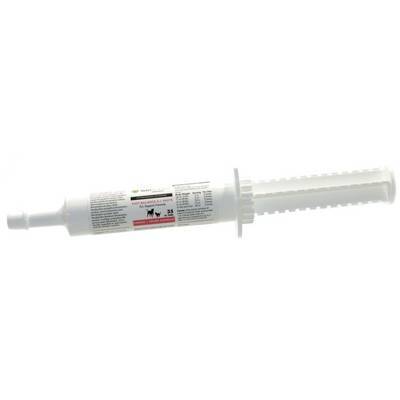
FAST BALANCE-G.I.
Vetri-Science
Veterinarian Approved
FOR DOGS AND CATS
National Animal Supplement Council
THE BENCHMARK OF QUALITY™
G.I. Support Formula
Product Facts:
Active Ingredients Per 10 cc Serving:
|
Pantothenic Acid |
10.5 mg |
|
Pyridoxine HCl (Vitamin B6) |
2.5 mg |
|
Riboflavin (Vitamin B2) |
1.0 mg |
|
Mixed Lactic Acid Bacteria |
1.3 x 10⁷ CFU |
|
Saccharomycee cerevisiae |
3.4 x 10⁶ CFU |
|
Bacillus subtilis |
3.8 x 10⁵ CFU |
|
Aspergillus oryzae |
1.3 x 10⁵ CFU |
Inactive Ingredients: carrageenan, d-calcium pantothenate, dried apple pectin pulp, dried aspergillus niger fermentation extract, dried aspergillus oryzae fermentation extract, dried bacillus subtilis fermentation extract, dried enterococcus faecium fermentation product, dried lactobacillus acidophilus fermentation product, dried lactobacillus casei fermentation product, dried lactobacillus plantarum fermentation product, mucilage, polysorbate-80, primary yeast dehydrated, silicon dioxide, vegetable oil, yeast extract, yeast fermentation solubles.
For use in dogs and cats only.
Recommended to help support proper G.I. tract structure and function during times of digestive upset and stress associated with garbage gut, food sensitivities, age and traveling.
Administer orally at recommended servings listed below until results occur.
|
Body Weight |
Serving |
Per Day |
|
Up to 10 lbs |
5 cc |
2 times |
|
11 to 20 lbs |
5 cc |
3 times |
|
21 to 30 lbs |
10 cc |
3 times |
|
31 to 50 lbs |
15 cc |
3 times |
|
51lbs and over |
20 cc |
3 times |
Warnings: For animal use only.
Keep out of the reach of children and other animals. In case of accidental overdose, contact a health professional immediately.
Store in a cool, dry place.
Cautions: Safe use in pregnant animals or animals intended for breeding has not been proven.
If animal’s condition worsens or does not improve, stop product administration and consult your veterinarian.
Distributed by Vetri-Science® Laboratories A Division of FoodScience Corporation, 20 New England Drive, Suite 10 Essex Junction, VT 05452 USA
www.vetriscience.com
1-800-882-9993
|
15 CC TUBE |
0408A |
|
35 CC TUBE |
|
|
60 CC TUBE |
|
NAC No.: 61660220