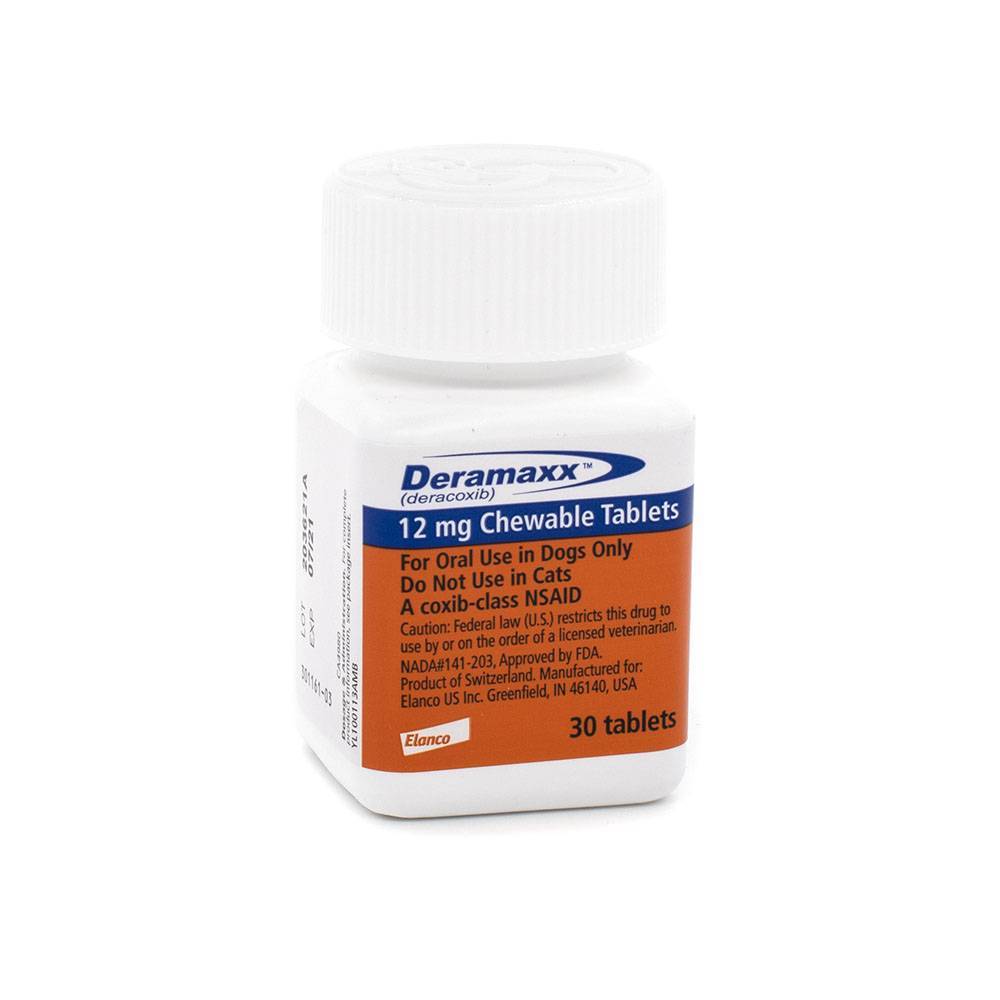
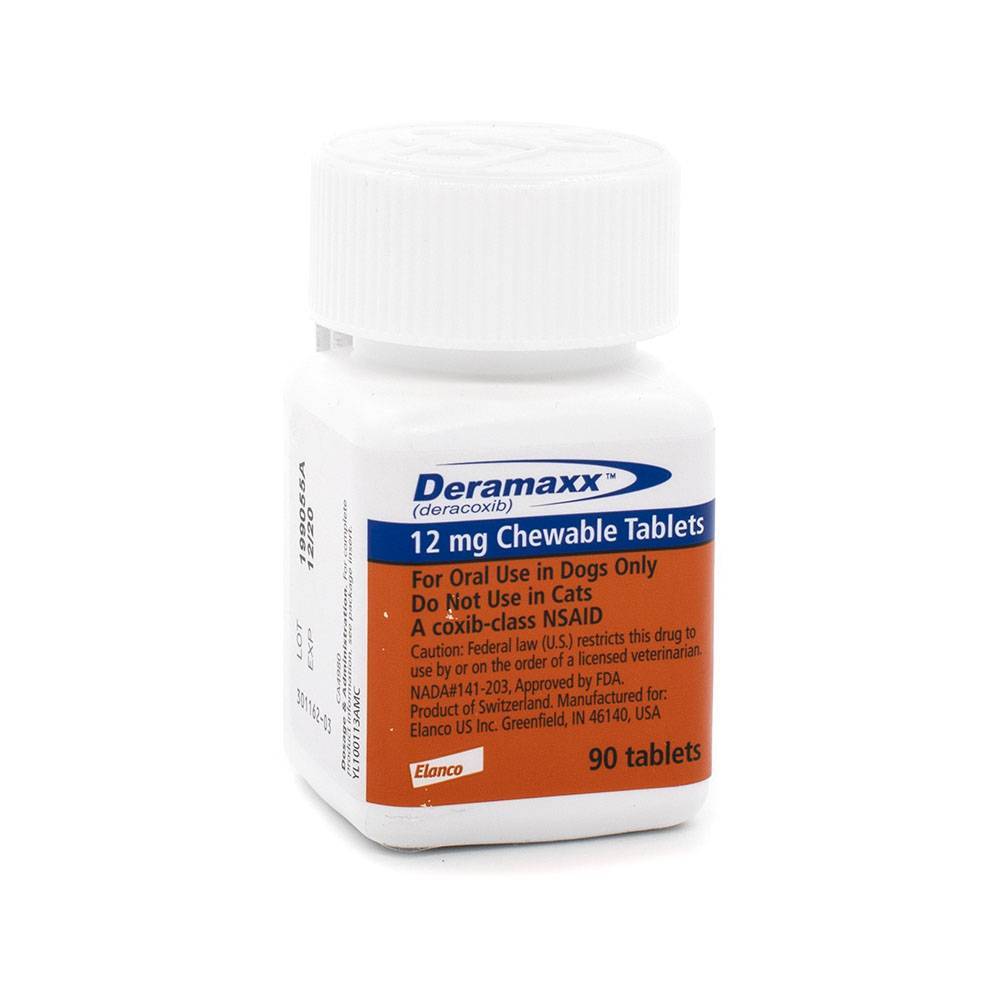
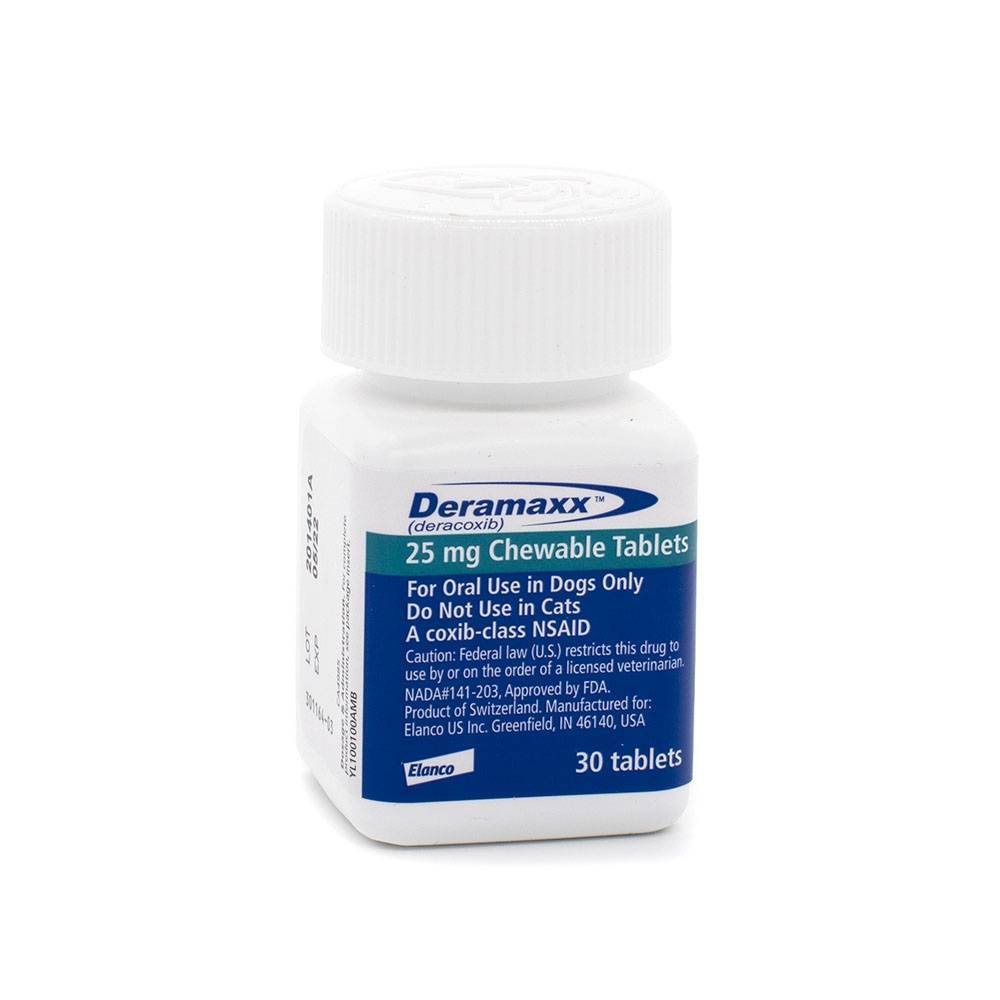
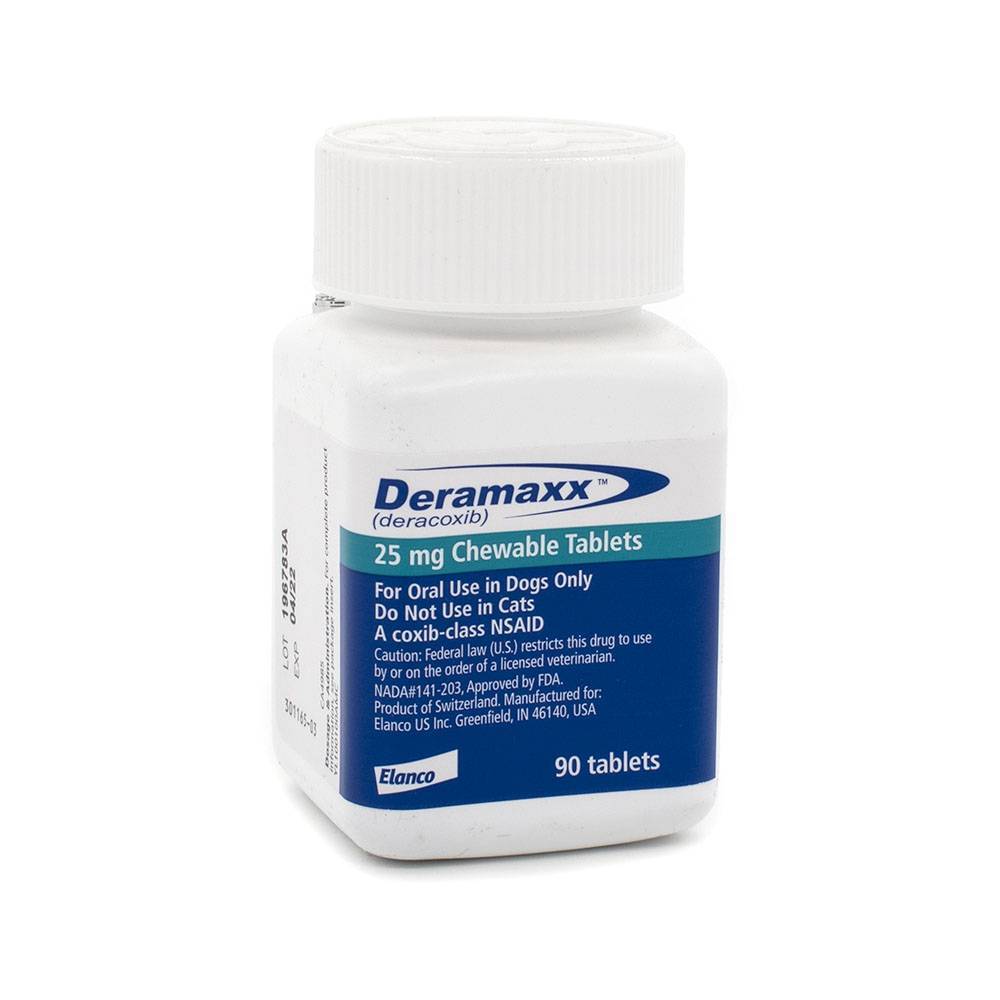
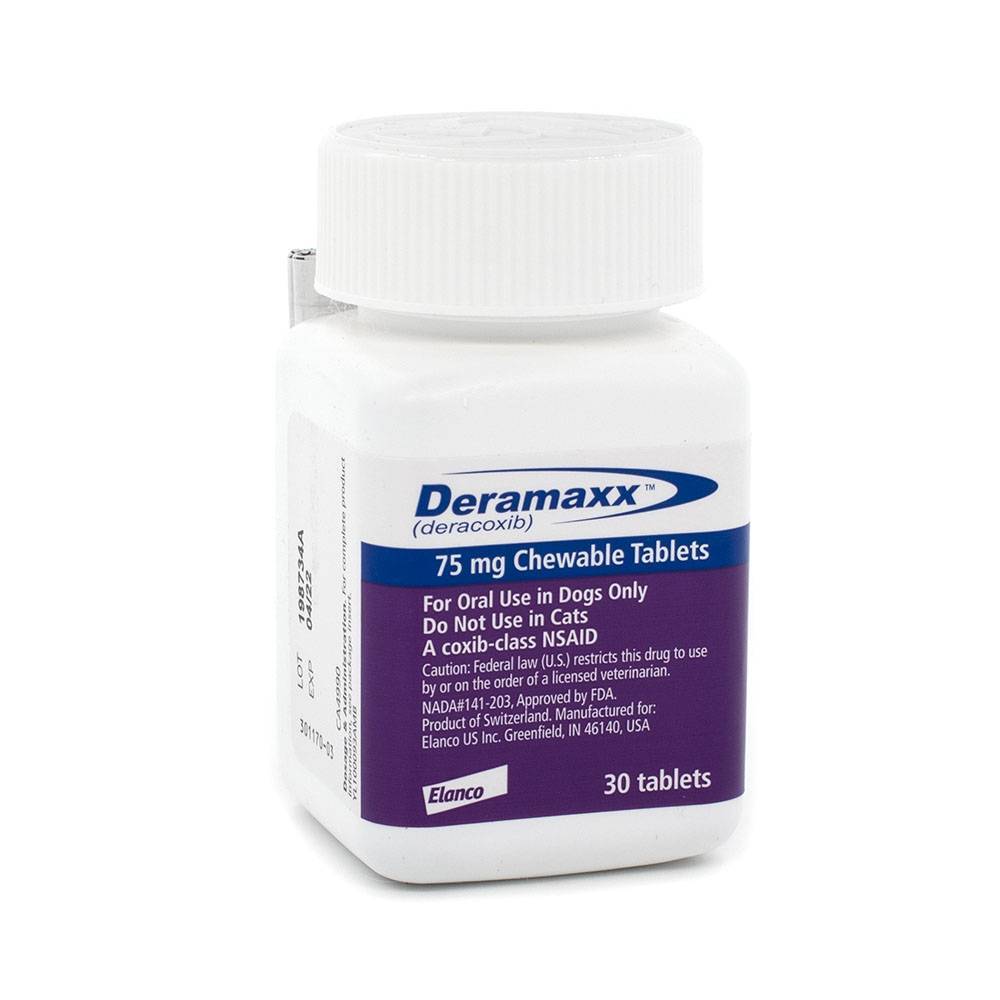
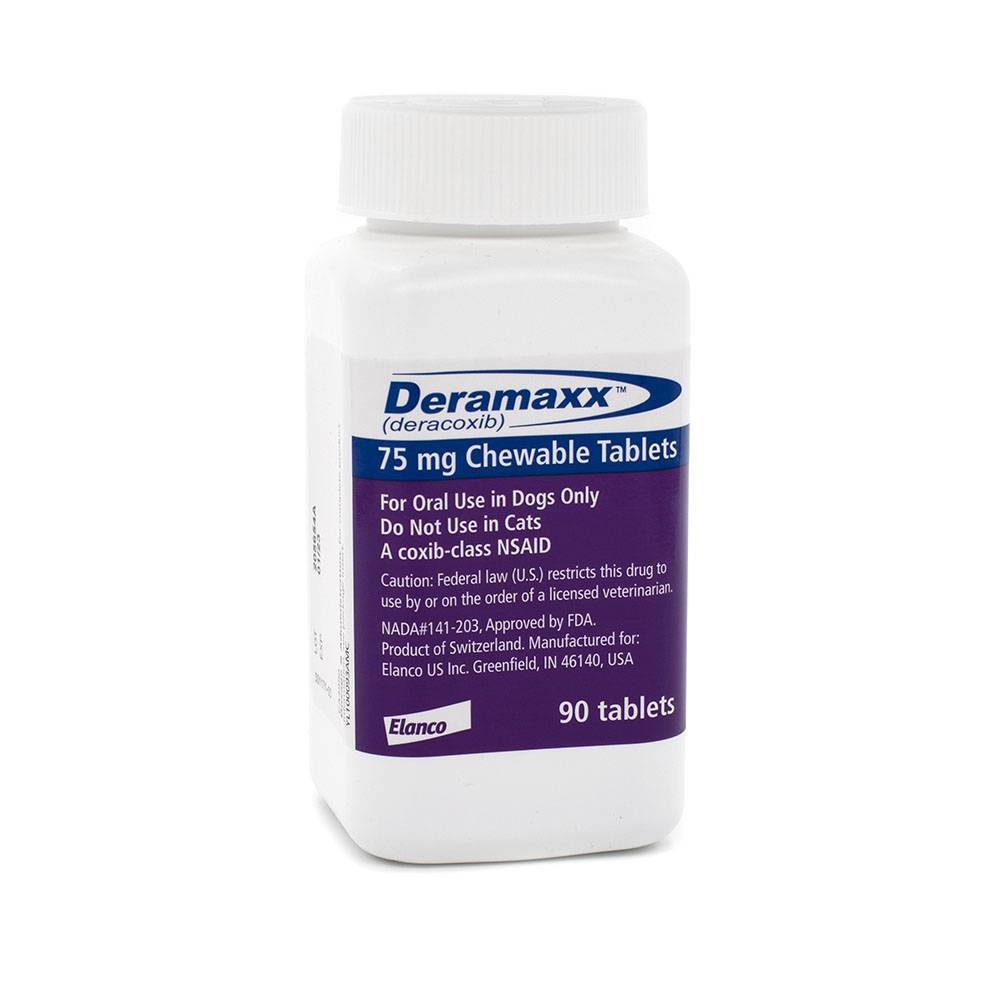
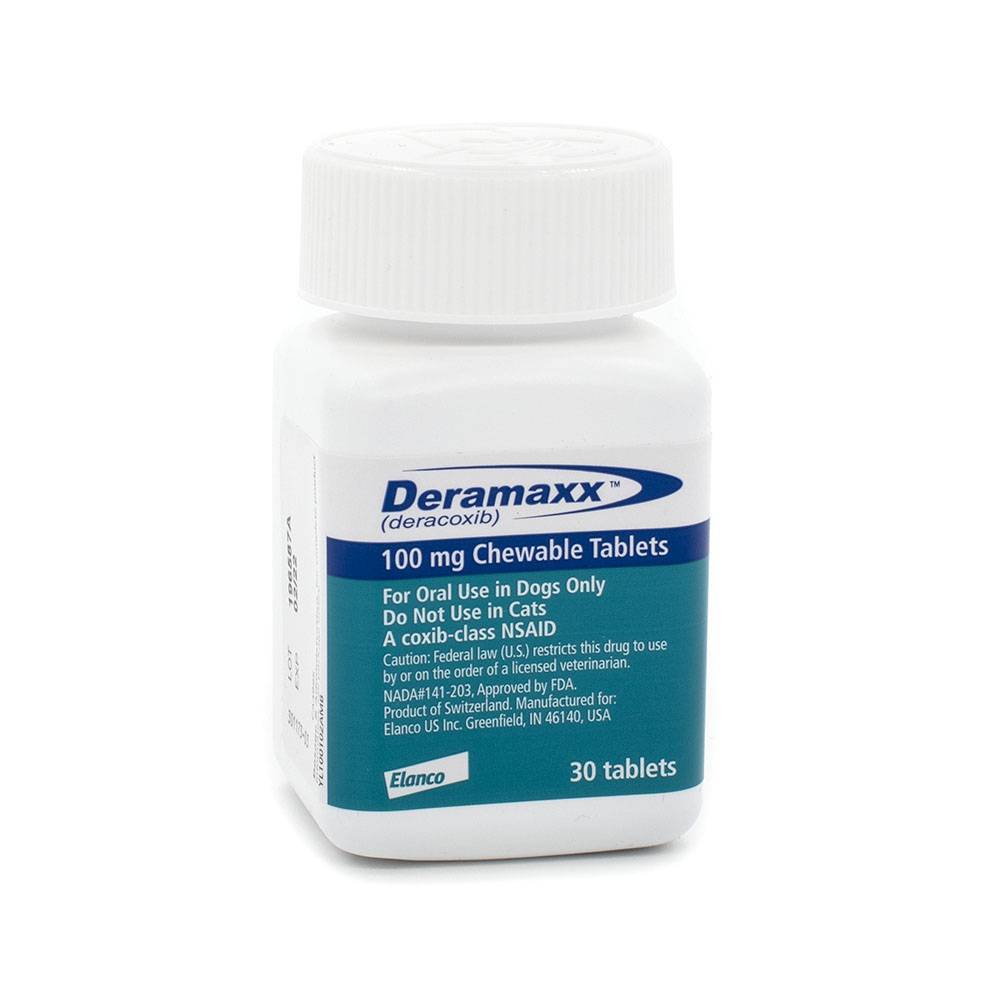
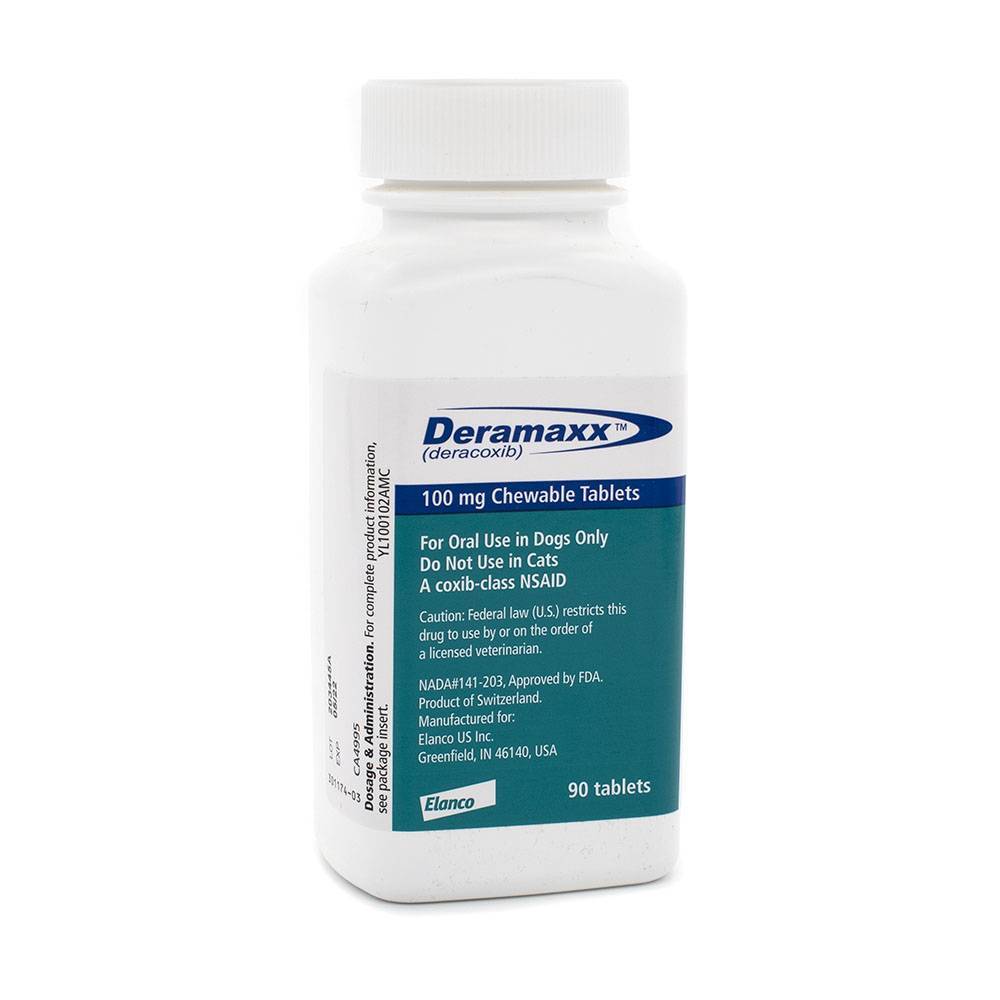
ATTENTION INTERCEPTOR,SENTINEL, PROGRAM, DERAMAXX, AND CLOMICALM CUSTOMERS
Novartis Pharmaceutical Company has temporarily halted production of Interceptor, Sentinel, Program, Deramaxx and Clomicalm for an unknown period of time. We will again offer these products as soon as the manufacturer makes them available. All pharmacies and veterinarians in the entire United States are affected. There are alternative medications that your veterinarian can prescribe. Please use the following links to view these alternatives. These other medications are available for your consideration, and purchase, with your veterinarian’s approval.
Possible Interceptor and Sentinel Alternatives for Dogs
Possible Program Alternatives for Dogs
Possible Program Alternatives for Cats
Possible Deramaxx Alternatives
Possible Clomicalm Alternatives
We are sorry for any inconvenience this disruption may cause.
Deracoxib is a non-steroidal anti-inflammatory medication that is frequently prescribed to relieve pain and inflammation after orthopedic surgery in dogs. The medication is also indicated for treating chronic pain and lameness related to osteoarthritis in dogs.
How do I give Deramaxx®?
First, READ THE LABEL CAREFULLY.
Administer Deracoxib as directed by your veterinarian.
Deracoxib can be given with or without food.
Try to give this medication at the same time each day.
DO NOT give the pet more medicine than directed.
DO NOT give your pet medicine more often than prescribed.
Try not to miss any doses.
If I miss a dose, what do I do?
If you miss a dose, give it to your pet as soon as possible. If it is almost time for the next dose, skip the missed dose, then continue with the regular dosing schedule. Do not give your pet two doses at once.
How do I store Deramaxx®?
Keep this medicine out of reach of children.
Store this medicine at room temperature and in a cool, dry place. Keep this medicine out of the sunlight and away from heat.
Do not store this medicine in damp places, in the bathroom, or near the kitchen sink. This medication can break down when exposed to moisture or heat.
What are the potential side effects of Deramaxx®?
Dogs usually tolerate Deracoxib well. The most common side effects include vomiting and diarrhea or soft stools. Your pet may also experience other side effects including: loss of appetite, dark stools, depression, and changes in drinking and urination.
Let your veterinarian know right away if any side effects develop and stop giving the medication
Other side effects may occur. If you notice anything unusual, contact your veterinarian.
What about possible drug interactions?
Be sure to tell your veterinarian about any other medications you are giving your pet.
Pets on concurrent diuretic therapy are at increased risk for NSAID toxicity, as are pets that are dehydrated, or those with existing kidney, liver, and/or heart dysfunction. Using Deracoxib in these patients is not advised.
It’s not uncommon for your veterinarian to prescribe two different medications, which may cause a drug interaction to occur. If this happens, your veterinarian may change the dose and/or monitor your pet more closely.
Veterinarians have little experience with using Deracoxib with other protein-bound medications. Therefore, your veterinarian will be careful when giving Deracoxib with other protein bound drugs because they may compete for binding. These other agents include cardiac, anticonvulsant, and behavioral medications. In this case, dose adjustments may be required.
Contact your veterinarian if your pet experiences any unusual reactions when different medications are given together.
Deracoxib is an oral nonsteroidal anti-inflammatory drug (NSAID) used in dogs to control pain and inflammation due to osteoarthritis or following bone or dental surgery. While deracoxib is not a cure for osteoarthritis, it can control the pain and inflammation of osteoarthritis and improve your dog's mobility. This medication may be given with or without food, although with food is preferable. Response varies but in most dogs, improvement can be dramatic. Deracoxib is available in 12 mg, 25 mg, 75 mg and 100 mg flavored chewable tablets.
Deracoxib should be given according to your veterinarian's instructions. Your veterinarian will tell you what amount of deracoxib is right for your dog and for how long it should be given. Do not change the way you give deracoxib tablets to your dog without first speaking with your veterinarian.
Deracoxib should be given by mouth and may be given with or without food, although with food is preferable.
The postoperative orthopedic pain dose is a higher dose; administration at this dose should not exceed 7 days total, including the days the patient is administered deracoxib while in the hospital.
If deracoxib is discontinued or not given as directed by your veterinarian, your dog's pain and inflammation may return.
While deracoxib is not a cure for osteoarthritis, it can control the pain and inflammation of osteoarthritis and improve your dog's mobility. Response may vary from dog to dog but can be quite dramatic.
Deracoxib tablets may need to be given on a periodic basis for the animal's lifetime. Use the lowest dose to provide adequate relief. Always consult with your veterinarian before altering the dose.
Talk to your veterinarian about:
Tell your veterinarian about:
Store in a tight, light resistant, childproof container at room temperature away from heat and direct sunlight.
For use in dogs only. People should not take deracoxib. Keep deracoxib and all medicine out of reach of children.
Call your physician immediately if you accidentally take deracoxib.
Deracoxib, like all other drugs, may cause some side effects in individual dogs. These are normally mild, but rare serious side effects have been reported in dogs taking nonsteroidal anti-inflammatory drugs (NSAIDs) including deracoxib. Liver and kidney problems have been reported. Serious side effects can, in rare situations, result in death. It is important to stop the medication and contact your veterinarian immediately if you think your dog may have a medical problem or side effect while on deracoxib. If you have additional questions about possible side effects, talk with your veterinarian or call 1-800-637-0281.
Look for the following side effects that may indicate that your dog is having a problem with deracoxib or may have another medical problem:
Contact your veterinarian immediately if your dog eats more than the prescribed amount of deracoxib.
This sheet provides a summary of information about deracoxib. If you have any questions or concerns about deracoxib, postoperative orthopedic and dental pain and inflammation, or osteoarthritis, talk to your veterinarian.
As with all prescribed medicines, deracoxib should only be given to the dog for which it was prescribed. It should be given to your dog only for the condition for which it was prescribed. It is important to periodically discuss your dog's response to deracoxib at regular check ups.
| Every effort has been made to ensure the accuracy of the information published. However, it remains the responsibility of the readers to familiarize themselves with the product information contained on the USA product label or package insert. |
DERAMAXX® CHEWABLE TABLETS
Novartis
(deracoxib)
For Oral Use In Dogs Only
Caution:
Federal Law (U. S.) restricts this drug to use by or on the order of a licensed veterinarian.
Description:
DERAMAXX (deracoxib) is a non-narcotic, non-steroidal anti-inflammatory drug (NSAID) of the coxib class. DERAMAXX tablets are round, biconvex, chewable tablets that contain deracoxib formulated with beefy flavoring. The molecular weight of deracoxib is 397.38. The empirical formula is C17-H14-F3-N3-O3-S. Deracoxib is 4-[3-(difluoromethyl)-5-(3-fluoro-4-methoxyphenyl)-1H-pyrazole-1-yl] benzenesulfonamide, and can be termed a diaryl substituted pyrazole. The structural formula is:
Clinical Pharmacology
Mode of Action:
DERAMAXX tablets are a member of the coxib class of non-narcotic, non-steroidal, cyclooxygenase-inhibiting anti-inflammatory drugs for the control of postoperative pain and inflammation associated with orthopedic surgery and for the control of pain and inflammation associated with osteoarthritis in dogs.
Data indicate that deracoxib inhibits the production of PGE1 and 6-keto PGF1 by its inhibitory effects on prostaglandin biosynthesis.1 Deracoxib inhibited COX-2 mediated PGE2 production in LPS-stimulated human whole blood.2
Cyclooxygenase-1 (COX-1) is the enzyme responsible for facilitating constitutive physiological processes (e.g., platelet aggregation, gastric mucosal protection, renal perfusion).3 Cyclooxygenase-2 (COX-2) is responsible for the synthesis of inflammatory mediators.4 Both COX isoforms are constitutively expressed in the canine kidney.5 At doses of 2-4 mg/kg/day, DERAMAXX tablets do not inhibit COX-1 based on in vitro studies using cloned canine cyclooxygenase.6 The clinical relevance of this in vitro data has not been shown.
Although the plasma terminal elimination half-life for DERAMAXX tablets is approximately 3 hours, a longer duration of clinical effectiveness is observed.
Summary pharmacokinetics of DERAMAXX tablets are listed in Table 1.
Table 1: Pharmacokinetics of Deracoxib
|
Parameter |
Value |
|
Tmaxa |
2 hours |
|
Oral Bioavailability (F)a |
> 90% at 2 mg/kg |
|
Terminal elimination half-lifeb |
3 hours at 2-3 mg/kg 19 hours at 20 mg/kg |
|
Systemic Clearanceb |
~ 5 ml/kg/min at 2 mg/kg ~ 1.7 ml/kg/min at 20 mg/kg |
|
Volume of Distributionc |
~ 1.5 L/kg |
|
Protein binding d |
> 90% |
a Values obtained following a single 2.35 mg/kg dose
b Estimates following IV administration of deracoxib as an aqueous solution
c Based upon a dose of 2 mg/kg of deracoxib
d Based upon in vitro plasma concentrations of 0.1, 0.3, 1.0, 3.0, 10.0 µg/ml
Non-linear elimination kinetics are exhibited at doses above 8 mg/kg/day, at which competitive inhibition of constitutive COX-1 may occur.
Deracoxib is not excreted as parent drug in the urine. The major route of elimination of deracoxib is by hepatic biotransformation producing four major metabolites, two of which are characterized as products of oxidation and o-demethylation. The majority of deracoxib is excreted in feces as parent drug or metabolite.
Large intersubject variability was observed in drug metabolite profiles of urine and feces. No statistically significant differences between genders were observed.
Indications and Usage:
Always provide “Information for Dog Owners” Sheet with prescription. Carefully consider the potential benefits and risk of DERAMAXX and other treatment options before deciding to use DERAMAXX. Use the lowest effective dose for the shortest duration consistent with individual response.
Osteoarthritis Pain and Inflammation:
DERAMAXX Chewable Tablets are indicated for the control of pain and inflammation associated with osteoarthritis in dogs.
Dosage and Administration:
Osteoarthritis Pain and Inflammation: 0.45-0.91 mg/lb/day (1 to 2 mg/kg/day) as a single daily dose, as needed.
Postoperative Orthopedic Pain and Inflammation:
DERAMAXX Chewable Tablets are indicated for the control of postoperative pain and inflammation associated with orthopedic surgery in dogs ≥ 4 lbs (1.8 kg).
Dosage and Administration:
Postoperative Orthopedic Pain and Inflammation: 1.4-1.8 mg/lb/day (3 to 4 mg/kg/day) as a single daily dose, as needed, not to exceed 7 days of administration.
Since DERAMAXX tablet bioavailability is greatest when taken with food, postprandial administration is preferable. However, DERAMAXX tablets have been shown to be effective under both fed and fasted conditions; therefore, they may be administered in the fasted state if necessary. For postoperative orthopedic pain, administer DERAMAXX tablets prior to the procedure. Tablets are scored and dosage should be calculated in half-tablet increments. In clinical practice it is recommended to adjust the individual patient dose while continuing to monitor the dog’s status until a minimum effective dose has been reached.
Contraindications:
Dogs with known hypersensitivity to deracoxib should not receive DERAMAXX.
Warnings:
Not for use in humans. Keep this and all medications out of reach of children. Consult a physician in case of accidental ingestion by humans. For use in dogs only.
All dogs should undergo a thorough history and physical examination before the initiation of NSAID therapy. Appropriate laboratory tests to establish hematological and serum biochemical baseline data prior to, and periodically during, administration of any NSAID is recommended. Owners should be advised to observe for signs of potential drug toxicity (see Adverse Reactions, Animal Safety and Post-Approval Experience) and be given an “Information for Dog Owners” Sheet.
Precautions:
Since NSAIDs possess the potential to produce gastrointestinal ulceration and/or perforation, concomitant use of DERAMAXX tablets with other anti-inflammatory drugs, such as NSAIDs or corticosteroids, should be avoided. As a class, NSAIDs may be associated with gastrointestinal, renal and hepatic toxicity. Sensitivity to drug-associated adverse events varies with the individual patient. Dogs that have experienced adverse reactions from one NSAID may experience adverse reactions from another NSAID. Patients at greatest risk for adverse events are those that are dehydrated, on concomitant diuretic therapy, or those with existing renal, cardiovascular, and/or hepatic dysfunction. Plasma levels of deracoxib may increase in a greater than dose-proportional fashion above 8 mg/kg/day. DERAMAXX tablets have been safely used during field studies in conjunction with other common medications, including heartworm preventatives, anthelmintics, anesthetics, pre-anesthetic medications, and antibiotics. If additional pain medication is needed after a daily dose of DERAMAXX tablets, a non-NSAID/non-corticosteroid class of analgesic may be necessary. It is not known whether dogs with a history of hypersensitivity to sulfonamide drugs will exhibit hypersensitivity to DERAMAXX tablets. The safe use of DERAMAXX tablets in dogs younger than 4 months of age, dogs used for breeding, or in pregnant or lactating dogs has not been evaluated.
NSAIDs may inhibit the prostaglandins which maintain normal homeostatic function. Such anti-prostaglandin effects may result in clinically significant disease in patients with underlying or pre-existing disease that has not been previously diagnosed. Appropriate monitoring procedures should be employed during all surgical procedures. The use of parenteral fluids during surgery should be considered to decrease potential renal complications when using NSAIDs perioperatively. Concurrent administration of potentially nephrotoxic drugs should be carefully approached.
The use of concomitantly protein-bound drugs with DERAMAXX tablets has not been studied in dogs. Commonly used protein-bound drugs include cardiac, anticonvulsant and behavioral medications. The influence of concomitant drugs that may inhibit metabolism of DERAMAXX tablets has not been evaluated. Drug compatibility should be monitored in patients requiring adjunctive therapy. Consider appropriate washout times when switching from one NSAID to another or when switching from corticosteroid use to NSAID use.
Animal Safety:
In a 6-month study, dogs were dosed with DERAMAXX at 0, 2, 4, 6, 8 and 10 mg/kg with food once daily for 6 consecutive months. There were no abnormal feces, and no abnormal findings on clinical observations, food and water consumption, body weights, physical examinations, ophthalmoscopic evaluations, macroscopic pathological examinations, hematology, or buccal bleeding time. Urinalysis results showed hyposthenuria (specific gravity <1.005) and polyuria in one male and one female in the 6 mg/kg group after 6 months of treatment. After 6 months of treatment, the mean BUN values for dogs treated with 6, 8, or 10 mg/kg/day were 30.0, 35.3, and 48.2 mg/dL respectively. No effects were seen on any other clinical chemistry parameters, including other variables associated with renal physiology (serum creatinine, serum electrolytes, and urine sediment evaluation). Dose dependent focal renal tubular degeneration/regeneration was seen in some dogs treated at 6, 8, and 10 mg/kg/day. Focal renal papillary necrosis was seen in 3 dogs dosed at 10 mg/kg/day and in one dog dosed at 8 mg/kg/day. No renal lesions were seen at the label doses of 2 and 4 mg/kg/day. There was no evidence of gastrointestinal, hepatic, or hematopoietic pathology at any of the doses tested.
In a laboratory study, healthy young dogs were dosed with deracoxib tablets once daily, within 30 minutes of feeding, at doses of 0, 4, 6, 8, and 10 mg/kg body weight for 21 consecutive days. No adverse drug events were reported. There were no abnormal findings reported for clinical observations, food and water consumption, body weights, physical examinations, ophthalmic evaluations, organ weights, macroscopic pathologic evaluation, hematology, urinalyses, or buccal mucosal bleeding time. In the clinical chemistry results there was a statistically significant (p<0.0009) dose-dependent trend toward increased levels of blood urea nitrogen (BUN). Mean BUN values remained within historical normal limits at the label dose. No effects on other clinical chemistry values associated with renal function were reported. There was no evidence of renal, gastrointestinal, hepatic or biliary lesions noted during gross necropsy. Renal histopathology revealed trace amounts of tubular degeneration/regeneration in all dose groups including placebo, but no clear dose relationship could be determined. There was no histopathologic evidence of gastrointestinal, hepatic or biliary lesions.
In another study, micronized deracoxib in gelatin capsules was administered once daily to healthy young dogs at doses of 10, 25, 50, and 100 mg/kg body weight for periods up to 14 consecutive days. Food was withheld prior to dosing. Non-linear elimination kinetics occurred at all doses. At doses of 25, 50, and 100 mg/kg, reduced body weight, vomiting, and melena occurred. Necropsy revealed gross gastrointestinal lesions in dogs from all dose groups. The frequency and severity of the lesions increased with escalating doses. At 10 mg/kg, moderate diffuse congestion of gut associated lymphoid tissues (GALT) and erosions/ulcers in the jejunum occurred. At 100 mg/kg, all dogs exhibited gastric ulcers and erosions/ulcerations of the small intestines. There were no hepatic or renal lesions reported at any dose in this study.
In a 13-week study, deracoxib in gelatin capsules was administered to healthy dogs at doses of 0, 2, 4, and 8 mg/kg/day. No test-article related changes were identified in clinical observations, physical exams, or any of the other parameters measured. One dog in the 8 mg/kg dose group died from bacterial septicemia secondary to a renal abscess. The relationship between deracoxib administration and the renal abscess is not clear.
Palatability:
DERAMAXX tablets were evaluated for palatability in 100 client-owned dogs of a variety of breeds and sizes. Dogs received two doses of DERAMAXX tablets, one on each of two consecutive days. DERAMAXX tablets were accepted by 94% of dogs on the first day of dosing and by 92% of dogs on the second day of dosing.
Effectiveness:
DERAMAXX tablets were evaluated in masked, placebo-controlled multi-site field studies involving client-owned animals to determine effectiveness.
Postoperative Orthopedic Pain and Inflammation Field Study:
In this study, 207 dogs admitted to veterinary hospitals for repair of a cranial cruciate injury were randomly administered DERAMAXX tablets or a placebo. Drug administration started the evening before surgery and continued once daily for 6 days postoperatively. Effectiveness was evaluated in 119 dogs and safety was evaluated in 207 dogs. Statistically significant differences in favor of DERAMAXX tablets were found for lameness at walk and trot, and pain on palpation values at all post-surgical time points. The results of this field study demonstrate that DERAMAXX tablets, when administered daily for 7 days are effective for the control of postoperative pain and inflammation associated with orthopedic surgery.
Adverse Reactions:
A total of 207 dogs of forty three (43) different breeds, 1-15 years old, weighing 7-141 lbs were included in the field safety analysis. The following table shows the number of dogs displaying each clinical observation.
|
Abnormal Health Findings in the Postoperative Orthopedic Pain Field Study1 |
||
|
Clinical Observation |
DERAMAXX (deracoxib) tablets |
Placebo |
|
Vomiting |
11 |
6 |
|
Diarrhea |
6 |
7 |
|
Hematochezia |
4 |
0 |
|
Melena |
0 |
1 |
|
Anorexia |
0 |
4 |
|
Incision site lesion (drainage, oozing) |
11 |
6 |
|
Non-incision skin lesions (moist dermatitis, pyoderma) |
2 |
0 |
|
Otitis externa |
2 |
0 |
|
Positive joint culture |
1 |
0 |
|
Phlebitis |
1 |
0 |
|
Hematuria |
2 |
0 |
|
Conjunctivitis |
1 |
2 |
|
Splenomegaly |
1 |
0 |
|
Hepatomegaly |
1 |
0 |
|
Death |
0 |
1 |
1Dogs may have experienced more than one of the observations during the study.
This table does not include one dog that was dosed at 16.92 mg/kg/day for the study duration. Beginning on the last day of treatment, this dog experienced vomiting, diarrhea, increased water intake and decreased appetite. Hematology and clinical chemistry values were unremarkable. The dog recovered uneventfully within 3 days of cessation of dosing.
Incisional drainage was most prevalent in dogs enrolled at a single study site. There were no statistically significant changes in the mean values for hepatic or renal clinical pathology indices between DERAMAXX tablet- and placebo-treated dogs. Four DERAMAXX tablet-treated dogs and two placebo-treated dogs exhibited elevated bilirubin during the dosing phase. One DERAMAXX tablet-treated dog exhibited elevated ALT, BUN and total bilirubin and a single vomiting event. None of the changes in clinical pathology values were considered clinically significant.
The results of this clinical study demonstrate that DERAMAXX tablets, when administered daily for 7 days to control postoperative orthopedic pain and inflammation in dogs, are well tolerated.
Osteoarthritis Pain and Inflammation Field Study:
Two hundred and nine (209) client-owned dogs with clinical and radiographic signs of osteoarthritis of at least one appendicular joint were enrolled in this study. A total of 194 dogs were included in the safety evaluation and a total of 181 dogs were included in the effectiveness evaluation. The effectiveness of DERAMAXX tablets in the control of pain and inflammation associated with osteoarthritis was demonstrated in a placebo-controlled, masked study evaluating the anti-inflammatory and analgesic effects of DERAMAXX tablets. Tablets were administered by the owner at approximately 1-2 mg/kg/day for forty-three (43) consecutive days.
In general, statistically significant (p≤ 0.05) differences in favor of DERAMAXX were seen for force plate parameters (vertical impulse area, peak vertical force) and owner evaluations (quality of life, lameness and overall level of activity).
The results of this field study demonstrate that DERAMAXX tablets, when administered at 1-2 mg/kg/day for 43 days, are effective for the control of pain and inflammation associated with osteoarthritis.
Adverse Reactions:
DERAMAXX was well tolerated and the incidence of clinical adverse reactions was comparable in DERAMAXX and placebo-treated animals. A total of 209 dogs of 41 breeds, 1-14 years old, weighing 17-177 lbs were included in the field safety analysis. The following table shows the number of dogs displaying each clinical observation.
|
Abnormal Health Findings in the Osteoarthritis Pain Field Study1 |
||
|
Clinical Observation |
DERAMAXX (deracoxib) tablets |
Placebo |
|
Vomiting |
3 |
4 |
|
Diarrhea/Soft Stool |
3 |
2 |
|
Weight Loss |
1 |
0 |
|
Abdominal Pain (Splinting) |
0 |
1 |
|
Seizure |
1 |
0 |
|
Lethargy |
0 |
1 |
|
Pyoderma/Dermatitis |
2 |
0 |
|
Unilateral Conjunctivitis |
1 |
0 |
|
Scleral Injection |
0 |
1 |
|
Hematuria/UTI |
1 |
0 |
|
Splenomegaly* |
1 |
0 |
|
Grade II Murmur Systolic |
1 |
0 |
1 Dogs may have experienced more than one of the observations during the study.
* This dog was less active and eating less on enrollment, with elevated WBC, amylase, and AST and died 1 month after exiting the study. The dog was withdrawn from the study on Day 17 with anorexia, lethargy and a suspicion of diarrhea. Follow-up laboratory analyses revealed hypoalbuminemia, hyperphosphatemia, elevated AST and decreased BUN. Follow-up treatment included other anti-inflammatories and antibiotics.
Complete blood count, serum chemistry, and buccal bleeding time analysis were conducted at the beginning and end of the trial. Mean values of all CBC and chemistry results for both DERAMAXX and placebo-treated dogs were within normal limits. There was no statistically significant difference in the buccal bleeding time between DERAMAXX and placebo-treated dogs before or after the study, and all results remained within normal limits (less than 5 minutes). The results of this field study demonstrate that DERAMAXX is safe and effective for the control of pain and inflammation associated with osteoarthritis in dogs.
During this trial, dogs were safely treated with a variety of commonly used medications, including antibiotics, anti-parasiticides, topical flea adulticides and thyroid supplements.
The results of this field study demonstrate that DERAMAXX tablets are well tolerated when administered at 1-2 mg/kg/day for up to 43 days for the control of pain and inflammation associated with osteoarthritis.
Post Approval Experience:
The following adverse reactions are based on voluntary post-approval reporting. The categories are listed in decreasing order of frequency by body system.
Gastrointestinal: Vomiting, anorexia, diarrhea, melena, inappetence, hematemesis, hematochezia, weight loss, nausea, gastrointestinal ulceration, gastrointestinal perforation, salivation.
Hematological: Anemia, thrombocytopenia.
Hepatic: Hepatic enzyme elevations, decreased or increased total protein and globulin, decreased albumin, decreased BUN, hyperbilirubinemia, icterus, ascites, pancreatitis.
Neurological: Lethargy, weakness, seizure, ataxia, tremor, nystagmus, mydriasis.
Sensory: Vestibular signs, glazed eyes, uveitis.
Behavioral: Aggression, apprehension.
Urinary: Azotemia, polydipsia, polyuria, hematuria, low specific gravity, urinary incontinence, urinary tract infection, renal failure.
Cardiovascular: Bradycardia.
Respiratory: Tachypnea, coughing.
Dermatological/Immunological: Fever, edema, facial/muzzle edema, pruritis, urticaria, moist dermatitis, erythema, dermal ulceration/necrosis.
In rare situations, death has been reported as an outcome of the adverse events listed above.
For technical assistance or to report suspected adverse events, call 1-800-332-2761.
Information for Dog Owners:
DERAMAXX, like other drugs of its class, is not free from adverse reactions. Owners should be advised of the potential for adverse reactions and be informed of the clinical signs associated with drug intolerance. Adverse reactions may include vomiting, diarrhea, decreased appetite, dark or tarry stools, increased water consumption, increased urination, anemia, yellowing of gums, skin or white of the eye due to jaundice, lethargy, incoordination, seizure, or behavioral changes. Serious adverse reactions associated with this drug class can occur without warning and in rare situations result in death (see Warnings, Post-Approval Experience and Adverse Reactions). Owners should be advised to discontinue DERAMAXX therapy and contact their veterinarian immediately if signs of intolerance are observed. The vast majority of patients with drug related adverse reactions have recovered when the signs are recognized, the drug is withdrawn, and veterinary care, if appropriate, is initiated. Owners should be advised of the importance of periodic follow up for all dogs during administration of any NSAID.
Storage Conditions:
DERAMAXX tablets should be stored at room temperature between 59° and 86°F (15-30°C).
Keep this and all medications out of reach of children.
How Supplied:
DERAMAXX tablets are available as 25 mg, 50 mg, 75 mg and 100 mg round, brownish, half-scored tablets in 7, 30, and 90 count bottles.
Manufactured for: Novartis Animal Health US, Inc., Greensboro, NC 27408 USA
DERAMAXX Chewable Tablets are under the following U.S. patent numbers:
U.S. Patent Number
5,521,207
5,756,529
5,892,053
5,910,597
References:
1. Data on File
2. Data on File
3. Smith, et al.: “Pharmacological Analysis of Cyclo-oxygenase -1 in Inflammation,” Proc. Natl. Acad. Sci. USA (October 1998) 95: 13313-13318, Pharmacology.
4. Zhang, et al.: “Inhibition of Cyclo-oxygenase -2 Rapidly Reverses Inflammatory Hyperalgesia and Prostaglandin E2 Production,” JPET, (1997) 283: 1069-1075.
5. Verburg, KM et al. “Cox-2 Specific Inhibitors: Definition of a New Therapeutic Concept.” Amer J of Therapeutics 8, 49-64, 2001.
6. Data on File
NADA # 141-203, Approved by FDA
© 2010 Novartis Animal Health US, Inc.
NAH/DXB-T/PI/7
02/10