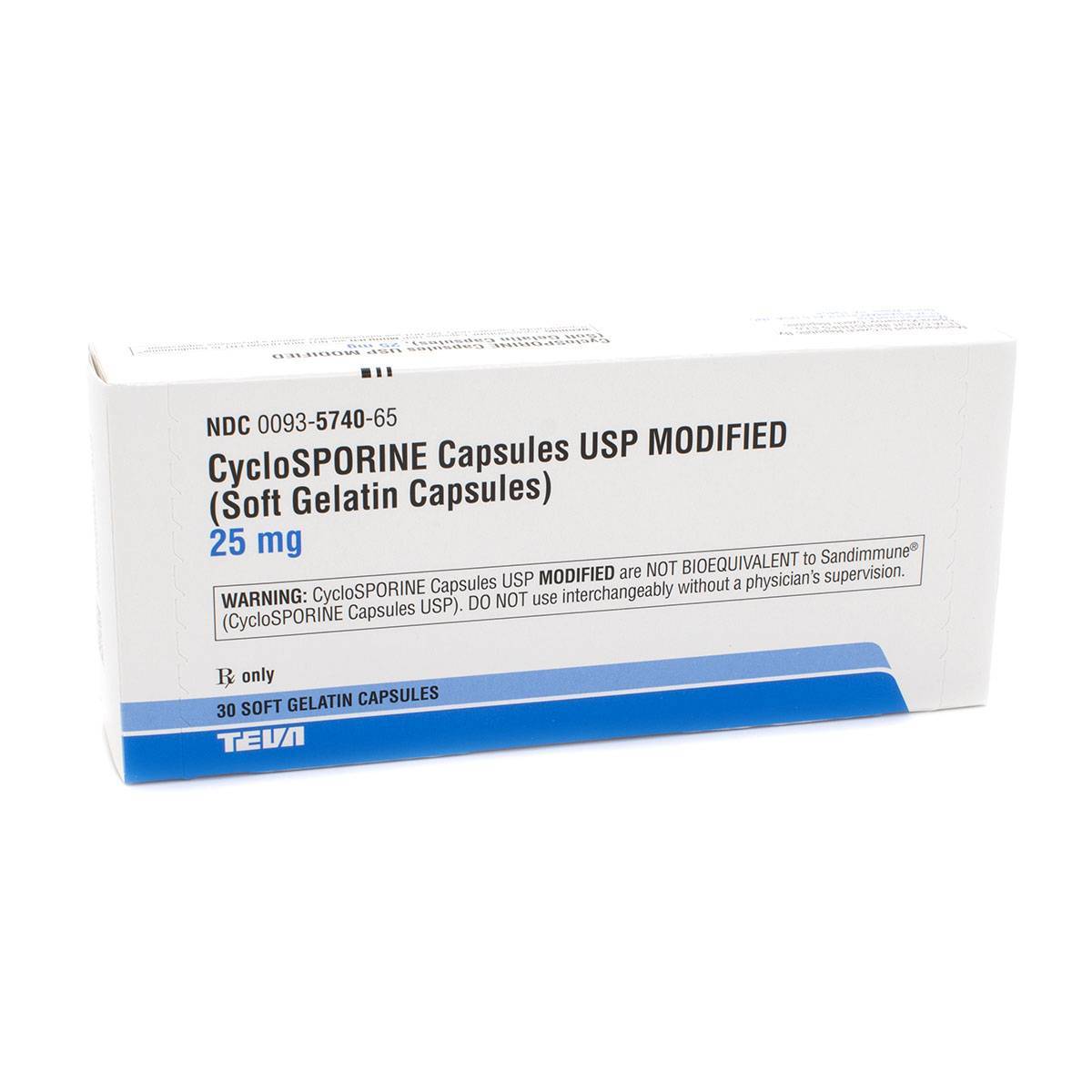
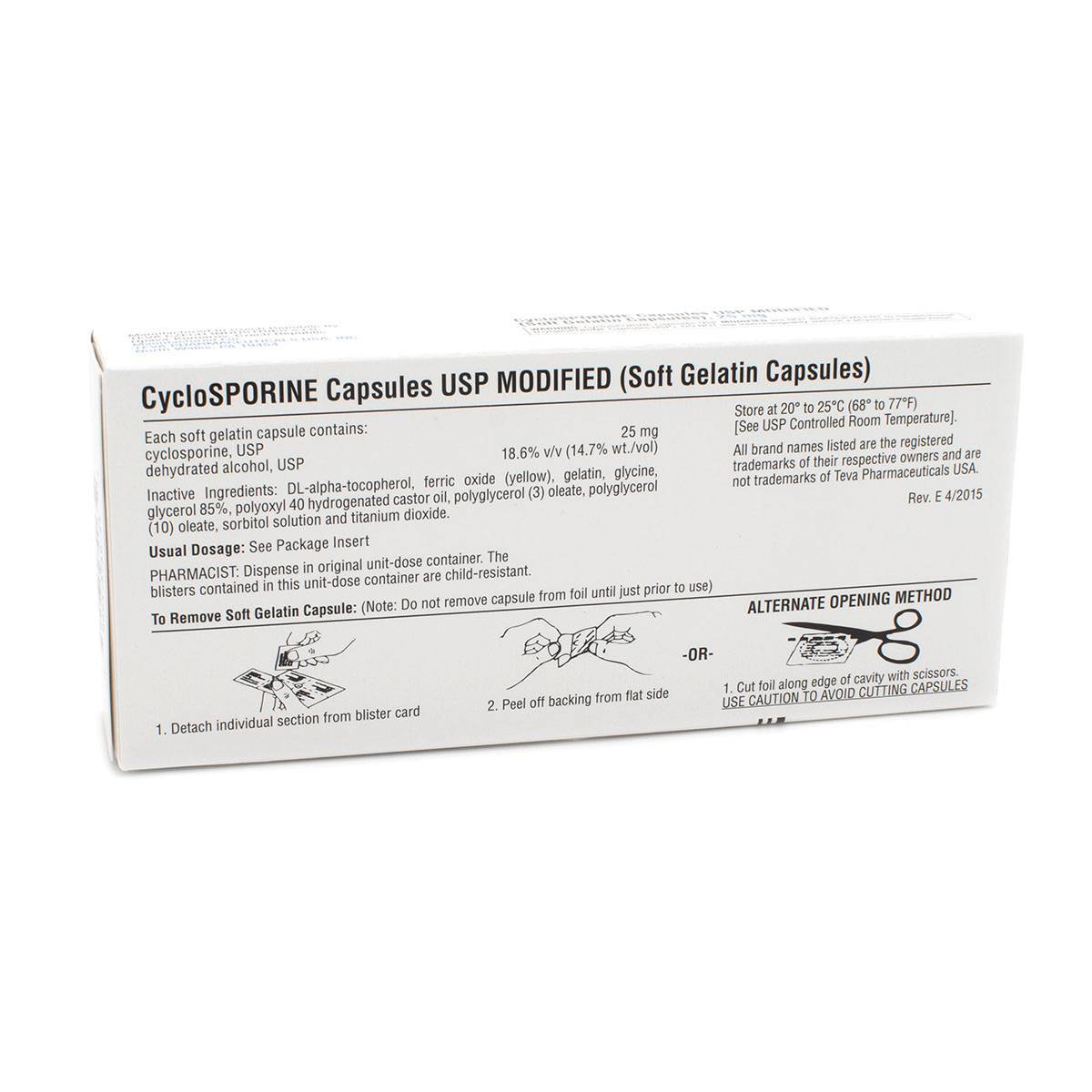
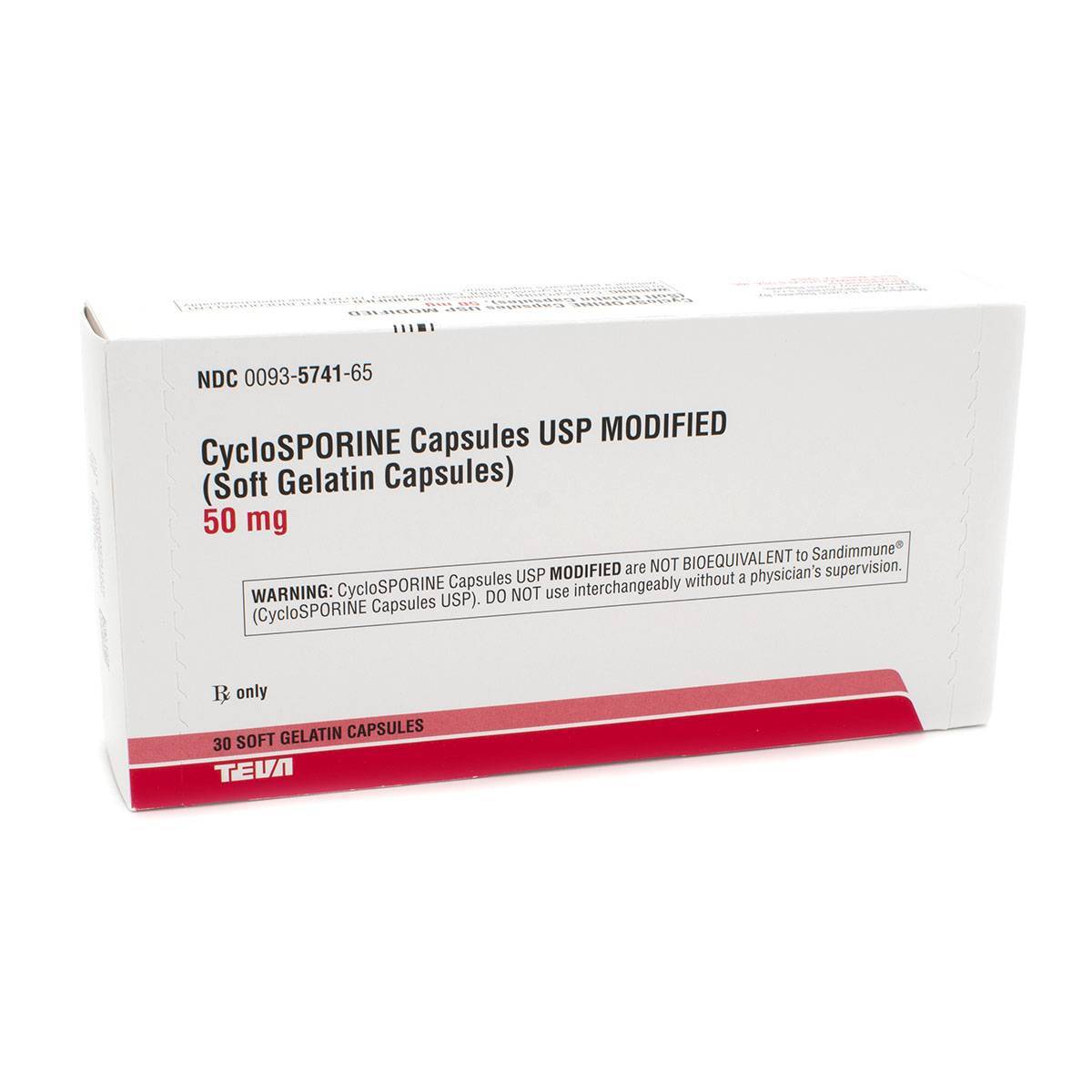
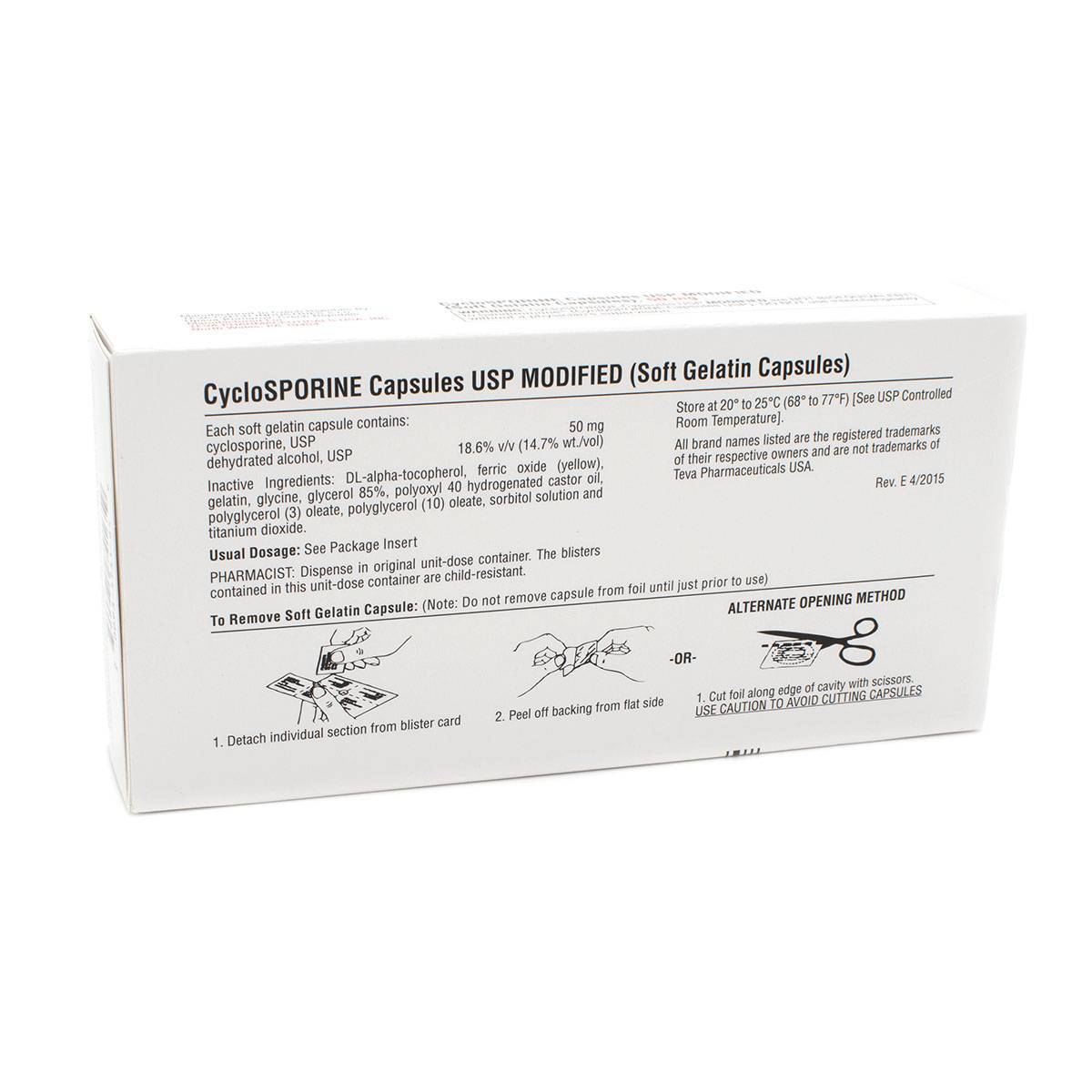
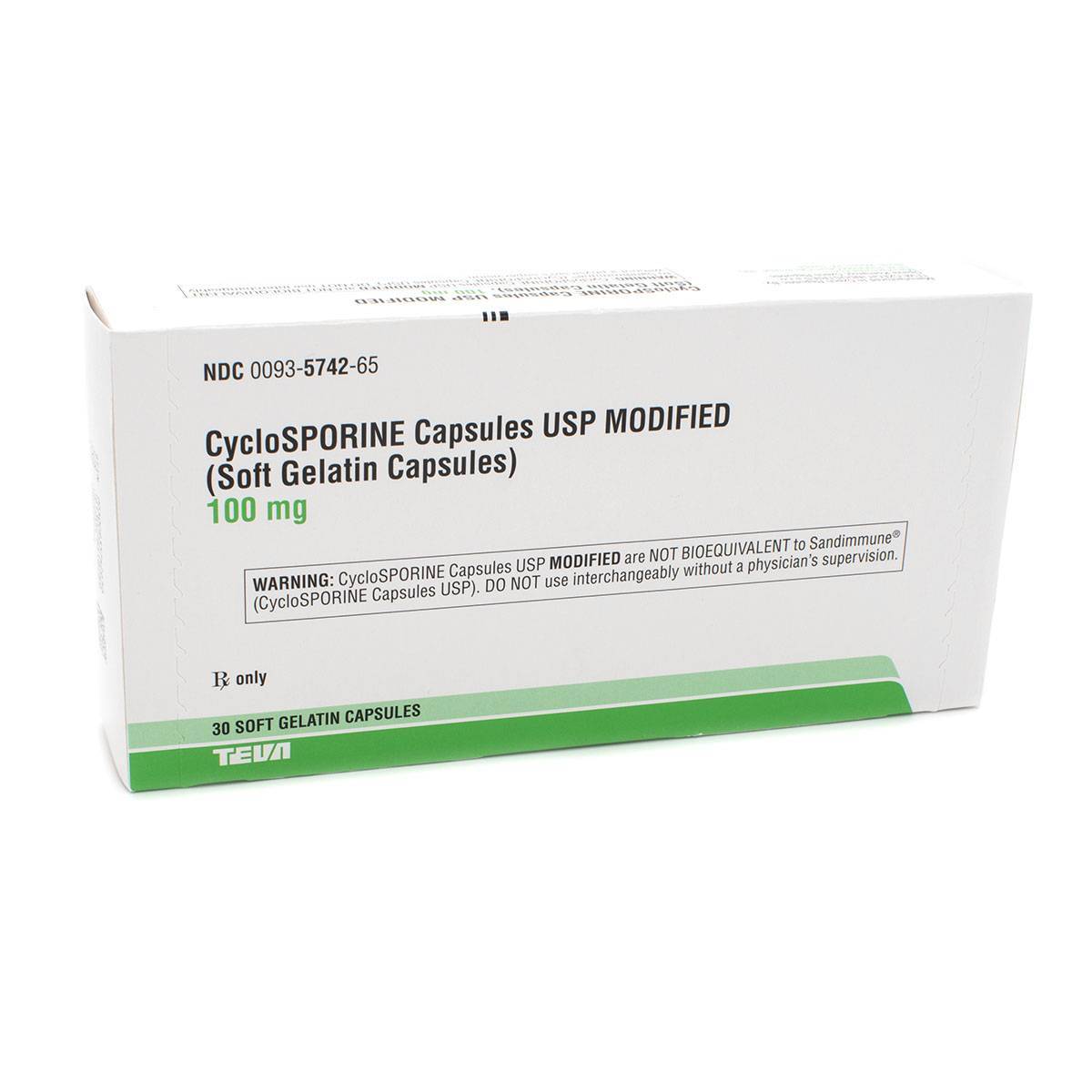
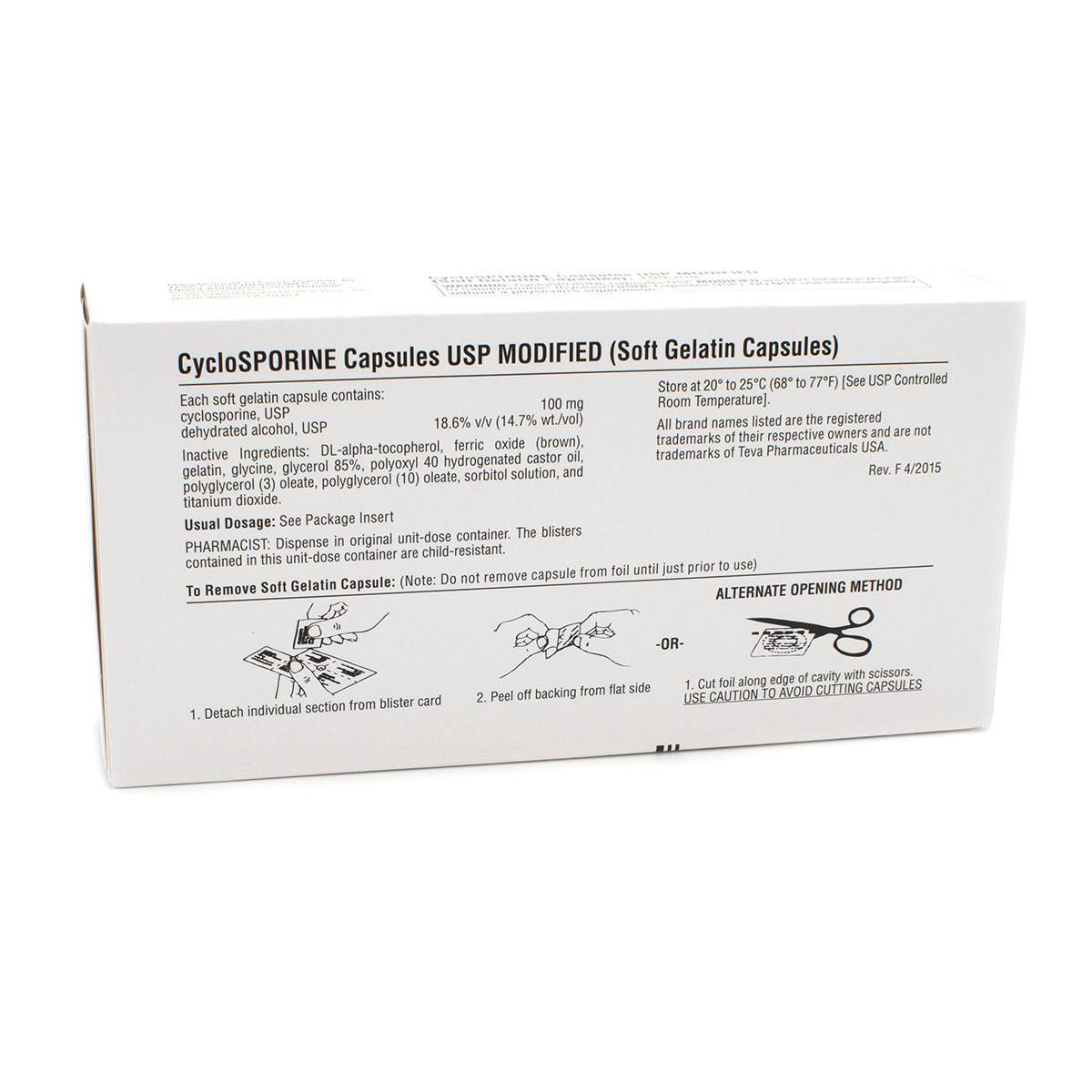
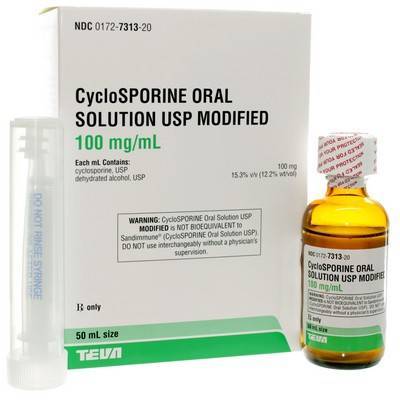

Cyclosporine Modified (Generic) Rx
Starting At
$29.70
Cyclosporine Modified (Generic) Rx
$29.70
Or save an extra 5% on your first order (up to $20) with Autoship*
$28.22
-
Usually ships the same weekday before 2pm CT with veterinary approval.
-
Requires veterinary authorization.
-
Your pet's veterinarian will provide directions for use.
What is Cyclosporine for Dogs and Cats?
- Cyclosporine is a prescription medication used to treat issues related to an overactive immune system.
- The Cyclosporine sold by VetRxDirect is Cyclosporine USP MODIFIED. It is NOT interchangeable with Sandimmune.
- Cyclosporine is an immunosuppressant type of drug which works on the immune system response that causes itching and inflammation in an allergic reaction.
- Cyclosporine (modified) is the generic form of Atopica.
Why do cats and dogs use Cyclosporine?
- Cyclosporine is prescribed to relieve the inflammation and itching associated with atopic dermatitis or other skin conditions in dogs and cats.
- It may also be prescribed in the treatment of certain immune system disorders.
- Your veterinarian may prescribe this medication for your dog’s atopic dermatitis or anal fistulas.
- Cyclosporine (modified) is often indicated for feline asthma.
- Cyclosporine is especially effective at treating non-contagious skin diseases in dogs including atopic dermatitis that causes itching, infection, hair loss, and more.
What else should I know about Cyclosporine?
- Cyclosporine (modified), which comes in liquid or capsule form, is a safe effective alternative to steroids and it generally costs less as well.
- Reduces itching, swelling, and discomfort caused by skin allergies.
- Indicated for atopic dermatitis and other skin conditions.
- May be prescribed for immune disorders.
- Effective non-steroidal treatment.
- Soft capsules are easy to administer.
- Treats atopic dermatitis and anal fistulas in dogs.
- Prescribed for asthma in cats.
- Effective, affordable alternative to steroids.
- Available in capsules and liquid.
- Discard the oral solution within 2 months after opening.
What problems could my dog or cat have with Cyclosporine?
- It may take 4-6 weeks to determine if cyclosporine is effective.
- Vomiting is a very common side effect.
- Cyclosporine suppresses the immune system. If your dog or cat has a fever, low energy, or lack of appetite, contact your veterinarian to see if your pet may have an infection.
How do you use Cyclosporine?
- Give cyclosporine by mouth as directed by your veterinarian.
- Wear gloves when handling this medication.
- Pregnant women should be very careful if handling cyclosporine.
What is in Cyclosporine?
- The drug sold by VetRxDirec is Cyclosporine USP MODIFIED. It is NOT interchangeable with Sandimmune.
- Cyclosporine is an immunosuppressant type of drug which works on the immune system response that causes itching and inflammation in an allergic reaction.
Will I get what I see in the picture?
- Cyclosporine is sold as an FDA approved generic drug. Brand may vary from order to order and variation to variation. We are unable to guarantee which brand will be available at the time of order shipment.
Is it important for my dog or cat to finish all of the Cyclosporine?
- Dogs and cats may use Cyclosporine for different lengths of time. Please consult your veterinarian if you have any questions.
Review Summary
73 total reviews
Rated 4.88 out of 5 stars
100% of respondents would recommend this to a friend
Ratings Distribution
64 5 star reviews
9 4 star reviews
0 3 star reviews
0 2 star reviews
0 1 star reviews
Reviews
-
This medication is life changing
From UndisclosedComments about Cyclosporine Modified (Generic) 100mg, 30 CapsulesI recommend this medication to anyone who is facing a dog with similar symptoms. We are beyond grateful for this medication and the difference it has made in our dog's life. Before starting it, he struggled so much with constant itching and noticeable hair loss—it was heartbreaking to watch. Since being on this, the improvement has been incredible. His itchiness has decreased so much, and he finally seems comfortable and at ease again. Even more amazing, his coat is looking healthier and fuller, and he's losing far less hair. You can truly see the change, not just physically but in his overall happiness and energy. It's such a relief to see him feeling like himself again. This medication has made a huge impact for our family, and we couldn't be more thankful. Highly recommend to anyone dealing with similar issues—it truly works.-
![This medication is life changing]()
April 20th 2026 -
![This medication is life changing]()
First day after adoption
-
-
This medication saved my dog
From 19015Comments about Cyclosporine Modified (Generic)Diagnosed with MMM at 6 months, her jaw lacked muscle protection, making opening her mouth painful. Prednisone helped but masked her spirit. Now on Cyclosporine, she's finally her true self-thriving, happy, and free from daily extreme pain.-
![This medication saved my dog]()
❤️
-
-
Cyclosporine is essential for joeys IMHA
From UndisclosedComments about Cyclosporine Modified (Generic) 50mg, 30 CapsulesCyclosporine was prescribed by internist .. works along with pred to keep my Joey fighting Imha .. the staff has helped me to find the brand I had asked for and the pricing-
![Cyclosporine is essential for joeys IMHA]()
Joey
-
-
VetRx to the rescue
From UndisclosedComments about Cyclosporine Modified (Generic) 50mg, 30 CapsulesVetRx was there for me when my normal vet ran out of his essential meds (cyclosporin). The ordering was easy and quick. Most importantly, my doggie has his meds and is doing great!-
![VetRx to the rescue]()
Salty says "thank you!"
-
-
Clearly the med helped my pet it did what it was supposed to
From UndisclosedComments about Cyclosporine Modified (Generic) Oral Solution, 100mg/mL, 50mLHow else am I supposed to rate a medication that my dog will need for the rest of her life. This is kind of silly. She has Masticatory Muscle Myositis and if she doesn't take the cyclopsorine daily she will be in pain and will not be able to eat. This medication has given me my dog back. She was diagnosed at 6 months. On prednisone for about 2 years until some researched and we figured out cyclosporine was it!-
![Clearly the med helped my pet it did what it was supposed to]()
She couldn't enjoy this bone without it.
-
-
This medication is helping.
From UndisclosedComments about Cyclosporine Modified (Generic) 50mg, 30 CapsulesMy dog needs this product for constant skin issues that we have tried everything to cure.-
![This medication is helping.]()
Oliver
-
-
Jasmine is very happy
From UndisclosedComments about Cyclosporine Modified (Generic) 100mg, 30 CapsulesGood product and good service-
![Jasmine is very happy]()
Jasmine
-
-
LOLA BUNNY/ CYCLOSPORINE
From UndisclosedComments about Cyclosporine Modified (Generic) 100mg, 30 CapsulesI use VetRXDirect for all of my dog medication. The price and availability are very responsive for my dog Lola Bunny needs. I also recommend to my Mother to use VetRXDirect for her dog Big Puppy Nova. We are VERY satisfied -
-
Great prices + wonderful customer service!
From UndisclosedComments about Cyclosporine Modified (Generic) 100mg, 30 CapsulesLoki needs this medication for an inherited disorder common in German Shepherds. He's only 1/2 German Shepherd, but he still got the disease. :( The cyclosporine was prohibitively expensive at my local pharmacy. VetRX has MUCH petter pricing + wonderful customer service and they making getting the medication quick and easy. Loki and I are both happy we found VetRX! XOXO!-
![Great prices + wonderful customer service!]()
A happy Loki joining us for a night cap!
-
-
happy with the price and delivery
From UndisclosedComments about Cyclosporine Modified (Generic) 100mg, 30 Capsuleswe had been purchasing Cyclosporine through another RX website and their price recently jumped up by over $200. I am so happy we found Vet Rx to get this medication to our dog, he has IBD and this is truly one of the biggest impacts to his day to day life and he cannot get by without it. Also, shipping was so fast, it arrived 2 days earlier than the expectation so that was a huge help!-
![happy with the price and delivery]()
the happy guy with a happy belly - you can also see his amazing overbite from this angle
-


Displaying Reviews 1 - 10
Q & A
-
How long does this last after opening. Since it is a larger amount than I normally get with Atopica, I am hoping I can use it all before it expires. Thank you!?
-
According to the manufacturer, Cyclosporine oral solution should be used within 2 months of opening.
Verified Answer
-
-
Hi, What is the difference between Cyclosporine (Generic) Modified Capsules vs Cyclosporine Compounded (Non-modified) Capsule? Thank you!?
-
The microemulsion form, or “modified” version, of oral cyclosporine products (ie, Atopica®, Cyclavance®, Neoral®) is highly recommended, as it is better absorbed and provides more consistent drug concentrations. The modified and non-modified versions of cyclosporine are not interchangeable. Please consult with your veterinarian regarding any further questions or concerns regarding this medication.
Verified Answer
-
-
can you tell me the dose i need of cyclosporiine modified for my dog...40 lbs? he takes 50 mg atopica?
-
Cyclosporine (modified) is a human labeled medication used extra-label for pets. Atopica contains the same active ingredient, but is a veterinary labeled medication. Dosing for cyclosporine varies based on your dog's weight, the indication, concomitant medications, and your dog's health condition. Cyclosporine (modified) requires a prescription from your veterinarian. Your veterinarian will determine the appropriate dose for your individual dog.
Verified Answer
-
-
My greyhound has SLO and has been prescribed Atopica (along with ketoconazole)... after researching I have learned about Cyclosporine (modified) which has a much better price point. One of our vets say it is the same....another (who I purchase it through) says they are different. I do not want to cause pain for my pup...sloughing nails is so painful... but if I can save a few $$ with the same results it would be nice. Thank you in advance for any assistance you can provide.?
-
Cyclosporine (USP modified) is an FDA approved, human-labeled generic drug that contains the same active ingredient as Atopica for dogs, cyclosporine (USP modified). Human-labeled prescription medications may be used in an extra-label manner for pets, under the direction and guidance of a veterinarian. As a pet pharmacy, we only dispense this medication with a veterinarian’s prescription for use in animals. Please consult your veterinarian with any additional questions or concerns regarding the use of these products for your dog.
Verified Answer
-
-
Hello: My Dog's Eye specialist has been dispensing us Cyclosporine Capsules, UPS (Modified) soft gel capsules 50mg APOTEX CORP. Would this brand be equivalent? Thank you!?
-
Teva and Apotex cyclosporine capsules have been verified to be therapeutically equivalent by the Food and Drug Administration. This means that Teva’s cyclosporine 50mg soft gelatin modified capsules contain the same amount of active drug and will have the same effect on the body as Apotex’s cyclosporine capsules soft gel modified 50mg capsules. They may contain different inactive ingredients but the active drug is the same in these two products. Please talk to your veterinarian about any further questions or concerns.
Verified Answer
-
-
Is this a clear yellowish fluid or is it a suspension? We just got eye drops with a newly adopted dog and there are cloudy things suspended in the fluid I am just making sure we are not adding bacteria to my new dog. We have paused treatment until I can get confirmation on what this medicine actually looks like. The meds came from Texas to Washington and I can not confirm the temps or how it was uses (touched to eye or not) thank you?
-
The cyclosporine medication listed on this product page is an oral suspension that is labeled to be given by mouth. This medication is not administered in the eyes. We do carry Optimmune, which is a cyclosporine eye ointment that has a thicker consistency than a liquid eye drop. At this time we do not carry any other ophthalmic eye medications containing cyclosporine. It is recommended that you contact the dispensing pharmacy or veterinarian in which you obtained the medication from. If this medication was dispensed from our pharmacy, please contact us directly.
Verified Answer
-
-
What are the long term affects in dogs?
-
While uncommon, cyclosporine used long-term can cause persistent otitis externa, urinary tract infections, anorexia, or lethargy. These long-term effects are not seen in the majority of dogs, but always consult your veterinarian regarding questions or concerns about this medication in your dog.
Verified Answer
-
-
Why should I use glove when I touch Cyclosporine ? Pharmacists didn't say when I got Cyclosporine .?
-
Cyclosporine has been classified as a hazardous drug. It is an immunosuppressant, and is linked to cancer, problems for males or females who are actively trying to conceive, women who are pregnant or may become pregnant, and women who are breastfeeding, because they may be present in breast milk. Cutting, crushing, opening, or otherwise manipulating capsules will increase your risk. Unopened, intact capsules may not pose a risk, but wearing gloves to administer the capsules is recommended.
Verified Answer
-
-
Does it cause tumors in canine spleen?
-
Cyclosporine is a medication that suppresses the immune system. It is commonly used in conditions when a dog’s immune system attacks its own cells, such as atopic dermatitis. In humans, cyclosporine use is associated with a very small risk for developing new cancers. In canines, this association is not well documented. Please consult your veterinarian for further discussion on the etiology of your dog’s tumor.
Verified Answer
-
-
Can this medicine be compunded to be flavored (beef, etc?) for my cat? and does that change the cost of the medication? looking for 50 ml of 100mg/ml modified cyclosporin.?
-
VetRxDirect does not offer a compounded Cyclosporine product.
Verified Answer
-
Displaying Questions 1 - 10
x
Sign Up and Save 10%!
Plus enjoy insider offers and be the first to learn about our new products and promotions.
*10% off valid on your next order. Must apply code at checkout.
Your 10% off gift is coming your way.
But first, tell us more about your pet and only get content that is special to them.


and welcome to our family and !