
Oratene
-
Guaranteed lowest authorized price. Learn more.
-
Guaranteed lowest authorized price. Learn more.
-
Guaranteed lowest authorized price. Learn more.
-
Guaranteed lowest authorized price. Learn more.
-
Guaranteed lowest authorized price. Learn more.
-
Guaranteed lowest authorized price. Learn more.
-
Usually ships the same weekday before 2pm CT.
-
Biotene is now Oratene!
What are Oratene Oral Care products for Dogs and Cats by Zymox?
- Oratene is a range of oral care products specially formulated for pets.
- Oratene oral care products contain a patented natural enzyme system which helps dissolve plaque biofilm and inhibit bacteria that cause bad breath.
- Oratene also helps relieve dry mouth. Poor or inadequate saliva may cause bad breath, periodontal disease and tooth loss.
- Oratene was formerly named Biotene.
Why is Oratene used with cats and dogs?
- Poor or inadequate saliva can contribute to bad breath, periodontal disease, and tooth loss.
- Oratene Gel and Oratene Water Additive help with severe dry mouth and other oral complications caused by medications, cancer, diabetes, old age, anxiety, stomatits, gingivitis, or periodontal disease.
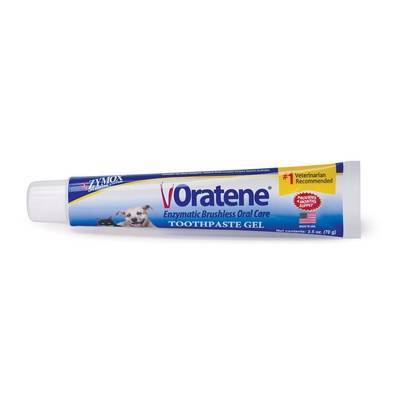
- Oratene Toothpaste Gel can be used to help pets with plaque, calculus, halitosis, dry or cracked tongue, thick saliva, ulcerations or lesions, inflamed and receding gums.
What else should I know about Oratene?
- Oratene products provide gentle, non-drying care.
- Oratene does not contain alcohol, antibiotics, xylitol, chlorhexidine, or detergents.
- Store at room temperature.
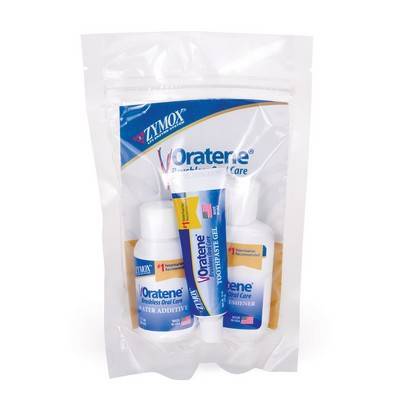
- The Oratene Brushless Oral Care Kit contains a 0.5 oz tube of the Oratene Toothpaste Gel, a 1.25 oz bottle of the Oratene Breath Freshener, and a 1 oz bottle of the Oratene Water Additive.
What problems could my dog or cat have with Oratene?
- Keep out of reach of children and animals.
How do you use Oratene?
- Use as directed by your veterinarian.
Oratene Oral Gel
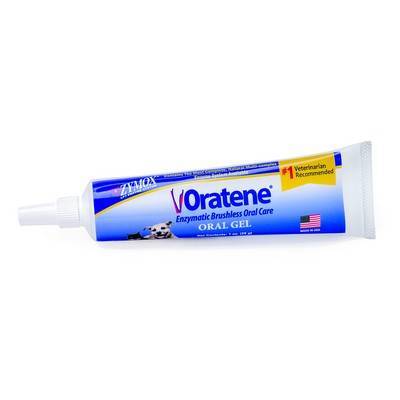
- Apply about a 1/2 inch strip to gums once or twice daily.
- Continue use for 5 to 7 days or until condition subsides.
- Best if used in the morning, at night, or after meals.
- For daily brushless oral care, follow up with Oratene Breath Freshener, Water Additive, and Toothpaste Gel.
- Shake well.
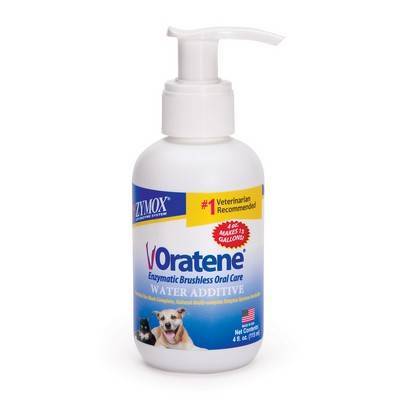
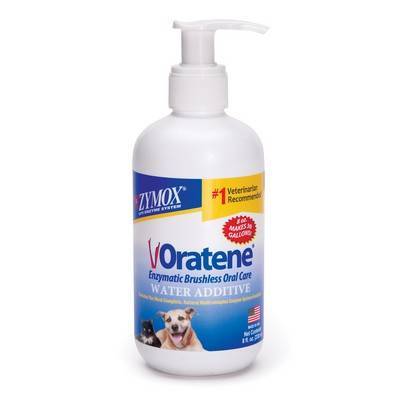
- Add 2 pumps per approximately 1 quart (4 cups) of drinking water.
- For maximum effectiveness, add to fresh drinking water daily.
- Apply a 1/2 inch strip to the gums once or twice daily.
- Best is used in the morning, at night, or after meals.
- Shake well.
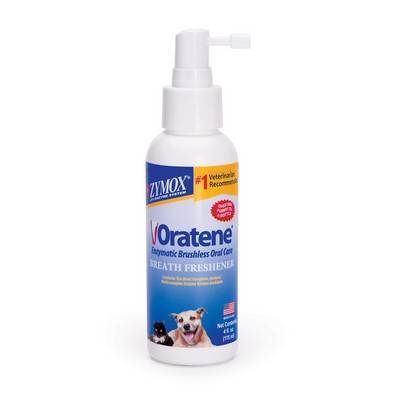
- Spray directly onto teeth, gums, and inside cheeks as needed.
- Recommended for daily use.
What is in Oratene?
Oratene Oral Gel
- Ingredients: Polyglycitol, Glyceryl Polymethacrylate, Sorbitol, Hydroxyethyl Cellulose, Dextrose, Potassium Iodide, Aloe Vera.
- Natural enzymes: Mutanase, Lactoperoxidase, Lysozyme, Lactoferrin, Glucose Oxidase, Dextranase.
- Ingredients: Glycerin, Sorbitol, Purified Water, Potassium Sorbate, Rosemary Extract, Sodium Chloride, Zinc Chloride, Potassium Thiocyanate.
- Natural enzymes: Dextranase, Glucose Oxidase, Lactoferrin, Lactoperoxidase, Lysozyme, Mutanase.
- Ingredients: Glyceryl Methacrylate, Polyglycitol, Sorbitol, Cellulose Gum, Dextrose, Potassium Thiocyanate, Aloe Vera.
- Natural enzymes: Mutanase, Lactoperoxidase, Lysozyme, Lactoferrin, Glucose Oxidase Dextranase.
- Ingredients: Purified Water, Sorbitol, Polyglycitol, Poloxamer, Hydroxyethyl Cellulose, Sodium Benzoate, Zinc Gluconate, Potassium Thiocyanate, Calcium Lactate, Aloe Vera.
- Natural enzymes: Dextranase, Glucose Oxidase, Lactoferrin, Lactoperoxidase, Lysozyme, Mutanase.
Will I get what I see in the picture?
- Oratene is a brand name. You will receive the exact brand that you request.
Is it important for my dog or cat to finish all of the Oratene?
- Dogs and cats may use Oratene for different lengths of time. Please consult your veterinarian if you have any questions.
Who makes Oratene?
- Oratene by Zymox is distributed by Pet King Brands.
Review Summary
Ratings Distribution
Most Liked Positive Review
Excellent product.
Most Liked Negative Review
Awesome product but dog won't drink it
Reviews
-
Cleaning a 15 year old cat's teeth has never been easier.
From UndisclosedComments about Oratene Brushless Oral Care KitMy senior cat needs teeth cleaning. This toothpaste seems to be helping a lot.-
![Cleaning a 15 year old cat's teeth has never been easier.]()
He stuck his tongue out after I brushed his teeth.
-
-
My dog always have a fresh breath.
From UndisclosedComments about Oratene Toothpaste Gel, 2.5ozGood for my dog teeth and gum. -
yes I can see results already..
From UndisclosedComments about OrateneI use product in my cat and dog water bowl...they love it.-
![yes I can see results already..]()
Sadie Lu the yellow/white pom with older chow/mix darker dog Shasta and Skipper Too a Tri color pom.
-
-
Awesome product but dog won't drink it
From Raleigh, NCComments about OrateneAfter just a few uses, our dog's bad breath was DRASTICALLY reduced. This product works AMAZINGLY well. Unfortunately our dog noticed something was "off" about his water and went on strike. We tried for two weeks to get him to drink the stuff. He drank as little as possible and actually laid in front of his bowl and growled. We finally had to throw the product away and are now using a different one that doesn't work as well, but that he will drink. If your dog will drink this, it's an amazing product. -
I'm sold!
From UndisclosedComments about OrateneThis did wonders on my dog's teeth after two weeks. Her breath was fresher! -
Vetrxdirect.com Raises the Bar for Service
From UndisclosedComments about OrateneHave improved the quality of our cat's teeth since adding Oratene to their water. I had previously purchased this from other providers but the overall experience with vetrxdirect was exceptional. Anticipating many more years using this company for our pet's needs. -
The best there is on the market today
From UndisclosedComments about OrateneThis is the best brushless system on the market. I've tried every product there is and the buck stops here. Works great especially in combination with "Maxi/Guard oral cleansing wipes" -
My dogs love it!
From UndisclosedComments about OrateneThe only reason I didn't give 5 stars is it needs to be available in the larger size. -
Seems to work
From undisclosedComments about OrateneI buy separate water for the cats and treat it with this. Our one cat had gum issues and needed 2 teeth extracted 6 years ago, but since then his exams have been much better. -
Great Product
From undisclosedComments about OrateneI have a 19 year old Cat named Oliver. I started using thing product a few years ago, and I have been very satisfied with its results. Whenever Oliver goes to the Vet for a checkup (at least 2 times a year), the Vet always looks at his teeth and is very happy with their condition. I attribute this fact to this product that I put in his drinking water bowls. I would recommend this product.


Q & A
-
Is the Oratene Toothpaste safe for diabetic cats in remission? I saw it has sorbitol and dextrose in it, and I'm concerned it could raise blood glucose levels and knock my cat out of remission.?
-
Oratene Toothpaste does contain sorbitol and dextrose. Considering your cat's medical condition, it is recommended to consult with your veterinarian before using this product. Your veterinarian can determine the best product to suit your cat's needs.
Community Answer
-
-
I found this article about the ingredients that are used in Oratene; Gel type for dogs and cats released by PKB Japan. It contains ingredients such as "potassium iodide" whose purpose is not clear. In addition, "glyceryl methacrylate" is originally an ingredient used in cosmetics such as body cream as a film-forming agent. It is not approved as a food additive in Japan or abroad, so it would not be appropriate to put it in the toothpaste you put in your mouth. Also, no safety information is available. Are those ingredients such as Hydroxyethyl cellulos and glyceryl methacrylate safe enough to use for cats and dogs??
-
Hello, My dog has severe allergies to grain, is there any part of the product that has grain in it??
-
According to the manufacturer, the Oratene products do not contain grain ingredients.
Verified Answer
-
-
I have a one gallon water dispenser for my dog can I put additive in this? is it safe if sets for long periods??
-
The manufacturer suggests shaking the product well and adding 2 pumps per approximately 1 quart (4 cups) of drinking water. To ensure the product is evenly distributed and for maximum effectiveness, add to fresh drinking water daily.
Verified Answer
-
-
Our vet prescribed the Oratene pump for our dogs teeth. They both have developed this weird kinda cough like action that they didn't have before. Sometimes they do it at the same time. Could this be the Oratene??
-
According to the manufacturer, there have been no reports of coughing after Oratene use. However, if the cough is persistent or worsens, please follow up with your veterinarian to determine further treatment for your dogs.
Verified Answer
-
-
Can this be used every day??
-
How big are each of the products in this pack? How many ounces of each the Oratene Antiseptic Oral Gel, the Oratene Maintenance Oral Gel, the Oratene Therapeutic Mouthwash and the Oratene Drinking Water Additive? Thank you?
-
The Oratene Brushless Oral Care Kit contains a 1 ounce bottle of Drinking Water Additive, a 1.25 ounce bottle of Breath Freshener and a 0.5 ounce Oratene Toothpaste Gel. The other Oratene product sizes are listed below. Antiseptic Oral gel comes in 1 ounce tubes, the Oratene toothpaste gel comes in 2.5 ounce tubes, the Oratene Breath Freshener comes in 4 ounce bottles and the Oratene Drinking Water Additive comes in both 4 and 8 ounce bottles. When selecting a product to purchase it will display the product, size and price.
Verified Answer
-
-
Safe for dog with enlarged heart he has a lot of moisture after eating and at nite he drools bad teeth on left side cannot have dental work takes high blood meds is this safe for him?
-
Based on the information given, there seem to be no contraindications for your dog to take this medication. However, please contact your veterinarian to see if this would be the safest and most helpful product option for your dog.
Verified Answer
-
-
CAN I USE THIS FOR A 10 YEAR OLD CAT BEING TREATED FOR HYPERTHYROIDISM??
-
Because Oratene is a non-prescription product, it does not have any associated side effects or known drug interactions. Because your cat is receiving treatment, we recommend talking with your veterinarian before using this product.
Verified Answer
-
-
One of the ingredients in Oratine Oral Gel is aloe vera. I have read that it has not been determined if aloe vera is toxic to cats. I am concerned about that. Also, can I mix the treated drinking water with food? My cat does not drink out of the water bowl normally so I add water to her food.?
-
According to the manufacturer, the Aloe Vera contained in Oratene is an extract with the toxic part excluded. The part that is excluded could be toxic if the cat ate the plant. Additionally there is only a small percent of Aloe Vera in Oratene. Therefore Oratene is safe for cats if used as directed. They also state that Oratene Drinking Water Additive has not been tested in food and cannot say if it would be effective.
Verified Answer
-
Sign Up and Save 10%!
Plus enjoy insider offers and be the first to learn about our new products and promotions.
*10% off valid on your next order. Must apply code at checkout.
Your 10% off gift is coming your way.
But first, tell us more about your pet and only get content that is special to them.


and welcome to our family and !