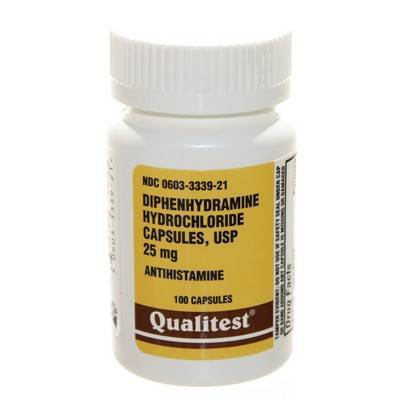
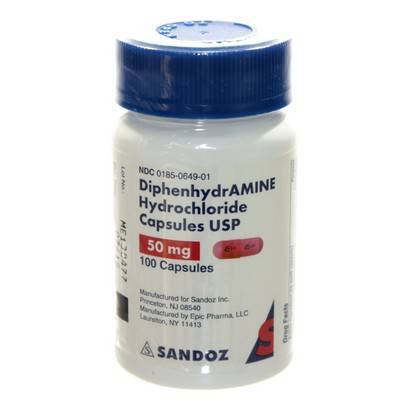

Diphenhydramine
Starting At
$3.99
Diphenhydramine
$3.99
Or save an extra 5% on your first order (up to $20) with Autoship*
$3.80
-
Usually ships the same weekday before 2pm CT.
What are Diphenhydramine Capsules for Dogs and Cats?
- The antihistamine Diphenhydramine is recommended by veterinarians to treat a range of issues, including allergies, motion sickness, travel anxiety, and even insect bites that cause itching and pain.
- Allergies cause the body to release histamine, which can cause itching, watery eyes, runny noses, and swelling.
- Diphenhydramine blocks histamine's effects, reducing these symptoms.
- Another effect of the histamine blocking process is sleepiness, which is why Diphenhydramine also works to calm pets and reduce motion sickness.
- The drug Diphenhydramine is the generic name for the brand Benadryl.
- These Diphenhydramine capsules are over-the-counter, and a prescription is not required.
Why do cats and dogs use Diphenhydramine?
- Your veterinarian may recommend Diphenhydramine if your cat or dog suffers from seasonal allergies, motion sickness, or anxiety.
- Diphenhydramine is an antihistamine that eases allergy symptoms and has a sedative affect that calms cats and dogs.
What else should I know about Diphenhydramine?
- Eases allergies, motion sickness, travel anxiety, and discomfort due to insect bites.
- These capsules do not to contain any ingredients commonly found in over-the-counter medications for humans that may be toxic to animals, such as pain relievers or decongestants.
What problems could my dog or cat have with Diphenhydramine?
- The most common side effect of Diphenhydramine is drowsiness. This effect may decrease over time.
- Some cats may become excited when given Diphenhydramine.
How do you use Diphenhydramine?
- Antihistamines like Diphenhydramine should be given on a regular, ongoing basis. They work best when given before your cat or dog before they are exposed to allergens.
- Diphenhydramine may be given with other antihistamines if directed to do so by your veterinarian.
- Diphenhydramine may be given with or without food. Follow your veterinarian's directions.
What is in Diphenhydramine?
- Diphenhydramine is an antihistamine. It blocks the histamines that cause allergic reactions.
Will I get what I see in the picture?
- Diphenhydramine is sold as an FDA approved generic drug. Brand may vary from order to order and variation to variation. We are unable to guarantee which brand will be available at the time of order shipment.
Is it important for my dog or cat to finish all of the Diphenhydramine?
- Dogs and cats may use Diphenhydramine for different lengths of time. Please consult your veterinarian if you have any questions.
Review Summary
3 total reviews
Rated 5.00 out of 5 stars
100% of respondents would recommend this to a friend
Ratings Distribution
3 5 star reviews
0 4 star reviews
0 3 star reviews
0 2 star reviews
0 1 star reviews
Reviews
-
Biting, licking and itching almost gone!
From UndisclosedComments about Diphenhydramine 25mg, 100 CapsulesMy Paco has allergies to chicken and other environmental factors (maybe anxiety is in the mix too because he's certainly a jumpy dude). Took the chicken out of his diet but the other allergies are harder to control. With this product the itching, licking and biting of his skin are almost gone. And the fact that they are super affordable (3 pills a day add up pretty quickly) helps me to control his allergies along with his skin and allergy chews. Thank you for carrying and pricing this product in a way that my pocket doesn't mind too much.-
![Biting, licking and itching almost gone!]()
I feel better. What's in that chew?
-
-
You cannot beat this pricw
From NorwalkComments about DiphenhydramineMy Paco has allergies and I hate the fact that he itches so much. Since I cant do immunotherapy, I manage his symptoms with antihistamines. Any pet parent with allergic dogs, knows that this takes plenty of pills. This medication has an excellent price and it works wonderfully.-
![You cannot beat this pricw]()
Paco feels a lot better
-
-
I would buy from them again
From UndisclosedComments about DiphenhydramineDidn't expect Epic Pharma, but to me the price was a little low for Sandoz or Qualitest, so I did think I might receive an equivalent. Overall, early arrival and good service made up for it, so 5 stars.


Displaying Reviews 1 - 3
Q & A
-
Can I get a non drowsy benadryl for my dog??
-
Diphenhydramine is a generic product for the human brand name product Benadryl. This medication is currently not manufactured in a non-drowsy formula. It is available without a prescription but should only be used under veterinary supervision and recommendation.
Verified Answer
-
-
What are the active and inactive ingredients??
-
Product page content and images are for representation only.. Manufacturer of generic drugs depends on availability at time of shipment.A specific manufacturer for a generic product cannot be guaranteed and may change based on availability. For questions concerning specific ingredients of a generic drug product at the time of ordering, please contact customer service via email at [email protected] or by phone at 866.761.6578 or by using the chat window found at the bottom of any page. Contact information is available on our site at: https://www.vetrxdirect.com/contact
Verified Answer
-
-
I am looking for diphenhydramine 50mg gel caps. What type are these??
-
Unfortunately, VetRxDirect does not stock diphenhydramine gel capsules. The capsules available through VetRxDirect are gelatin capsules filled with powdered medication. Diphenhydramine sold under the brand names (Unisom, Benadryl, Banophen) or its generic name (diphenhydramine) are available in multiple formulations (e.g. tablet, capsule, gel capsule, solution, cream, chewable tablet).
Verified Answer
-
-
does the 25 mg diphenhydramine capsules have any dye in the ingrediants??
-
D&C Red Dye #27 is contained as an inactive ingredient in diphenhydramine 25mg.
Verified Answer
-
-
amount mg of diphenhydramine for a dog with wt. of 11 lb. and another one with a wt. of 22 dog?
-
Please, consult your dog's veterinarian before giving any medications, including over the counter medications.
Verified Answer
-
Displaying Questions 1 - 5
x
Sign Up and Save 10%!
Plus enjoy insider offers and be the first to learn about our new products and promotions.
*10% off valid on your next order. Must apply code at checkout.
Your 10% off gift is coming your way.
But first, tell us more about your pet and only get content that is special to them.


and welcome to our family and !