What is Denosyl® SAMe?
SAMe (S-adenosylmethionine) is the bioactive form of methionine, an essential amino acid or “building block” of protein. These amino acids are plentiful in foods, but especially concentrated in meat and sunflower seeds. Supplementing a diet with methionine alone, however, does not necessarily raise the level of bioactive methionine, or SAMe, dramatically.
SAMe is one of the most commonly used supplements in human and animal medicine. SAMe contains both sulphur and methyl groups and is part of more than 40 key chemical reactions in the body. Methylation reactions in the body are required to form adequate levels of brain chemicals called neurotransmitters. SAMe helps synthesize all neurotransmitters related to catecholamines, including epinephrine and dopamine. Deficiencies of epinephrine and dopamine can lead to depression and Parkinson's disease. In human clinical trials SAMe has shown significant promise in treating these disorders and other cerebral disorders including autism, peripheral neuropathy, spinal cord degeneration, and Alzheimer's disease.
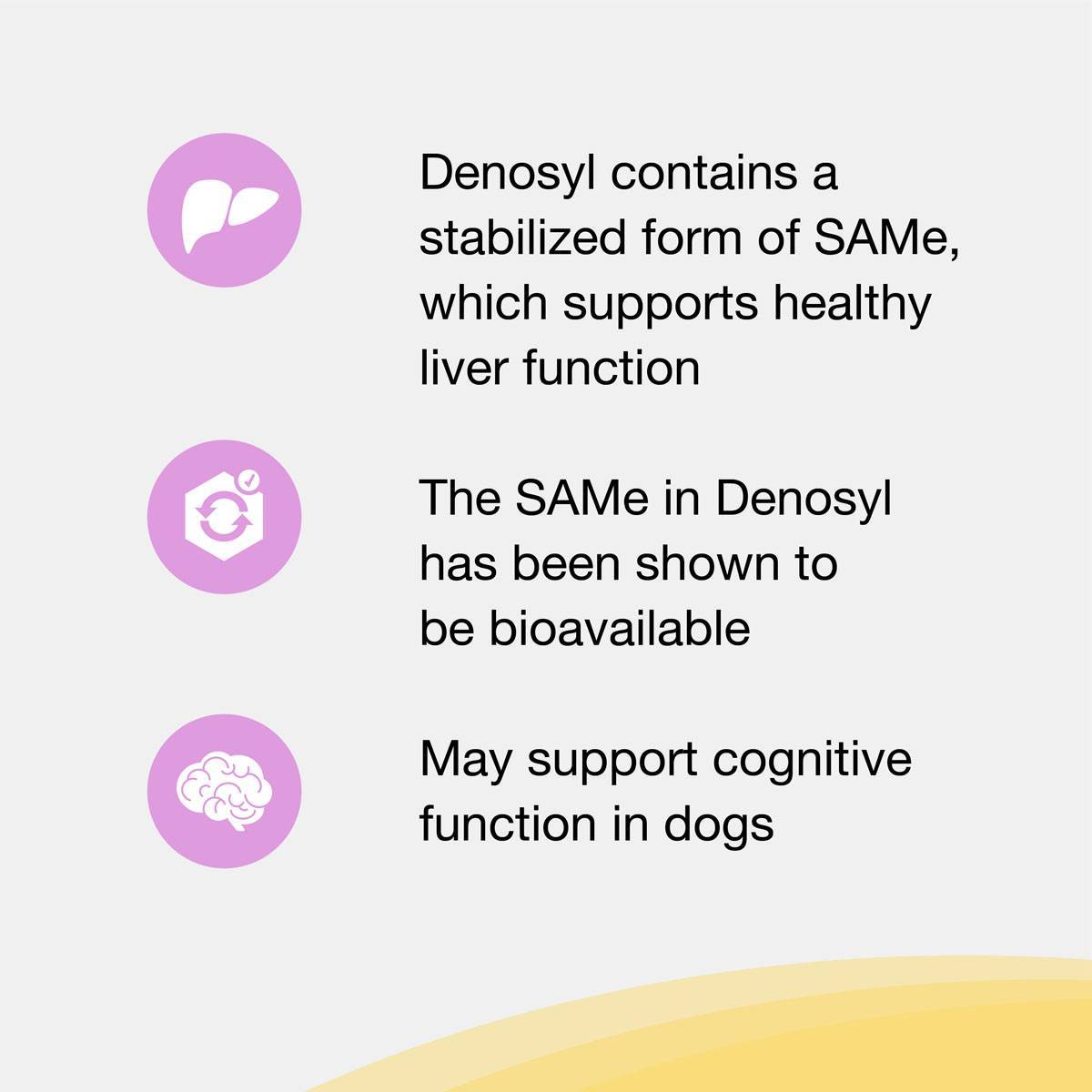
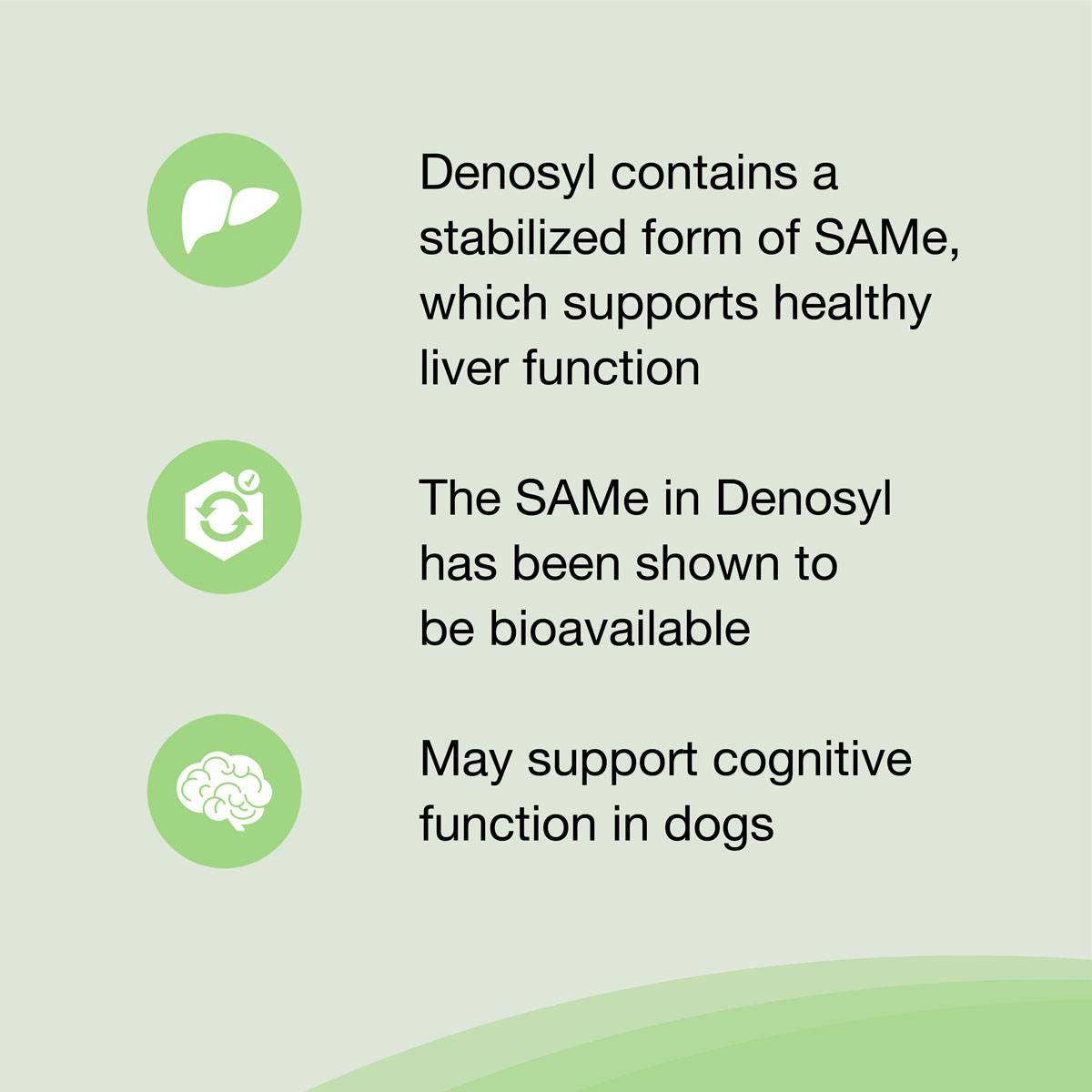
The sulphur groups of SAMe are also metabolically important. Glutathione, a critical detoxifier and antioxidant, is made from SAMe. SAMe itself also functions as an antioxidant. These antioxidant and detoxifying properties mean that SAMe is able to reduce liver damage such as cirrhosis.
SAMe has several other effects in the body. It plays an important role in:
SAMe is also an analgesic (pain reliever). Because of its pain reducing capabilities, ability to promote collagen and cartilage synthesis, and its anti-inflammatory properties, SAMe is commonly used in osteoarthritis. In clinical trials, the efficacy of SAMe in relieving arthritic pain has approached that of many NSAIDs.
Why is my veterinarian recommending Denosyl® SAMe tablets for my pet?
SAMe is widely prescribed for the same purposes in animals as it is in people. SAMe is used to treat canine cognitive disorders, suspected depression, osteoarthritis, and hepatitis. It can also be used to treat various neurological disorders, including degenerative myelopathy. SAMe is appropriate for all species, since it is naturally present in all mammals. It is probably most commonly used in dogs because of their susceptibility to liver and musculoskeletal disorders.
How safe is Denosyl® SAMe tablets?
SAMe is important in the treatment of osteoarthritis, because it reduces inflammation and pain and also helps regenerate joint tissue.
Because of its extremely low toxicity, SAMe is probably one of the first treatments that should be considered for treating arthritic dogs and cats. The side effects of SAMe are rare, and limited to mild nausea and gastrointestinal irritation. Use SAMe with caution in hyperexcitable animals, because it may increase excitability.
Where do I get SAMe tablets and do I need a prescription?
You do not need a prescription for SAMe. Purchase supplements with caution and know the manufacturer, as supplements are not highly regulated and some supplements may not contain the labeled amount of ingredients. Consult your veterinarian about his or her preferred brands or supplement sources
S-Adenosylmethionine (SAMe) is used in pets to treat a variety of liver diseases. It may be used in combination with silybin to further support proper liver function.
Read and follow the label carefully.
SAMe is usually given once daily initially and may later be maintained long-term on treatments given every second or third day.
Give SAMe on an empty stomach to increase absorption (at lease one hour before or two hours after feeding). Do not split or break tablets, but give whole.
The length of administration depends upon the reason for prescribing SAMe. Acute or sudden onset conditions may show improvement within weeks. Chronic or long-standing conditions may require months or years of administration. Your veterinarian can best determine any dosage changes and duration of treatment.
Initial and then periodic blood testing can confirm reduction in your pet's liver enzyme values and indicate improvements in liver health.
Nutraceutical products are not regulated by the FDA. As such, they have not been required to go through the same rigorous testing for efficacy that drugs undergo. There may be great variation in strength between brands or even between batches of the same brand. Yet there are many quality products on the market that are made by reputable companies. Consult with your veterinarian to choose a sound product for your pet.
If a dose is missed, give it as soon as you can. If it is time already for the next dose, skip the missed dose and go back to the normal schedule. Do not give two doses at the same time.
Talk to your veterinarian about:
Tell your veterinarian about:
SAMe is sensitive to air and moisture. It is usually packaged in a blister pack. Leave them in the pack until ready to use. Do not break tablets.
Store in a cool, dry place at room temperature away from heat and direct sunlight.
Keep this and all medication out of reach of children and pets.
Contact your veterinarian immediately if pet receives more than the prescribed amount.
Notify your veterinarian if your animal's condition does not improve or worsens despite this treatment.
As with all prescribed products/medicines, SAMe should only be given to the pet for which it was prescribed. It should be given only for the condition for which it was prescribed.
This is just a summary of information about SAMe. If you have any questions or concerns about SAMe or the condition it was prescribed for, contact your veterinarian.
| Every effort has been made to ensure the accuracy of the information published. However, it remains the responsibility of the readers to familiarize themselves with the product information contained on the USA product label or package insert. |
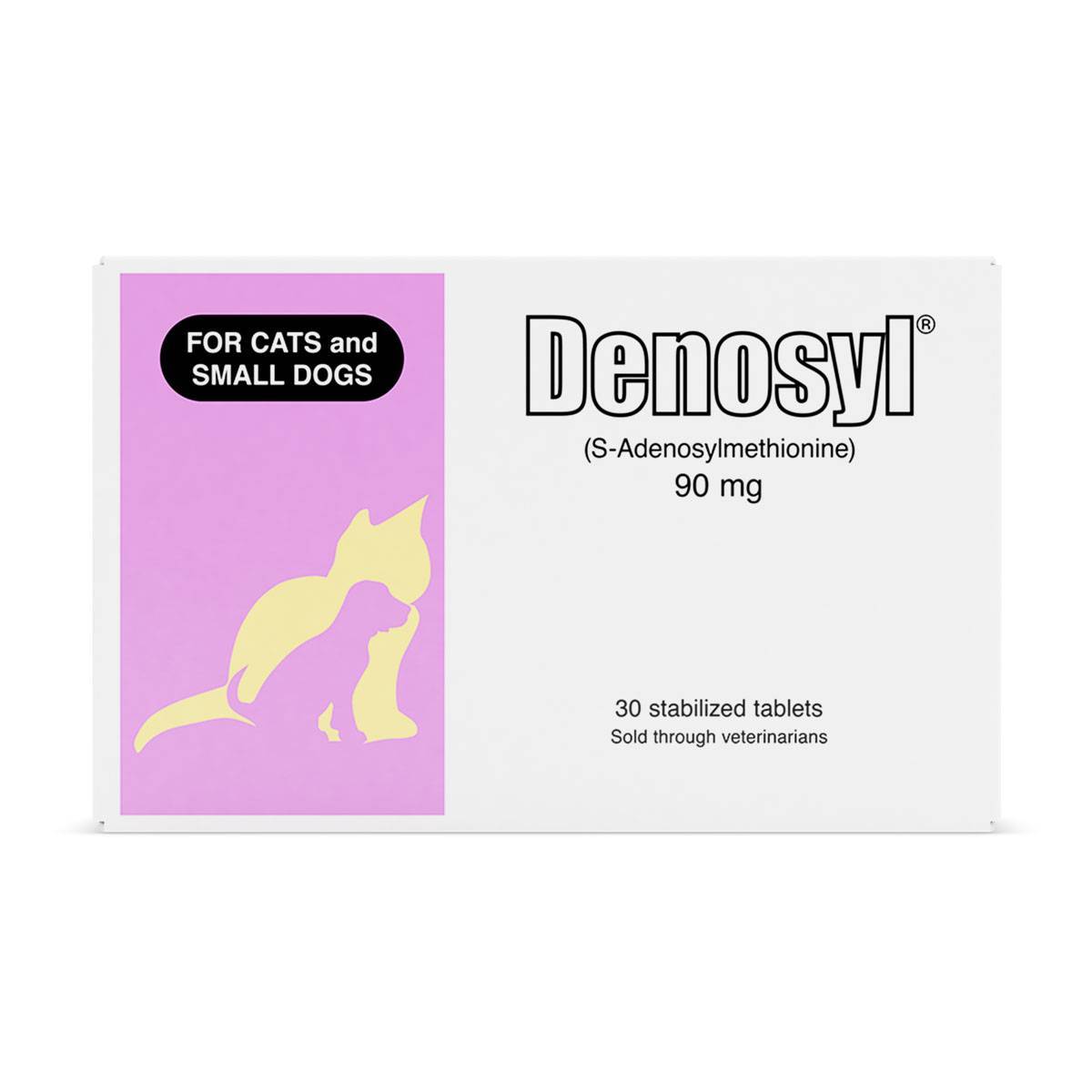
DENOSYL®
Nutramax Labs.
(S-Adenosylmethionine)
FROM THE MAKERS OF COSEQUIN®
Sold only through veterinarians
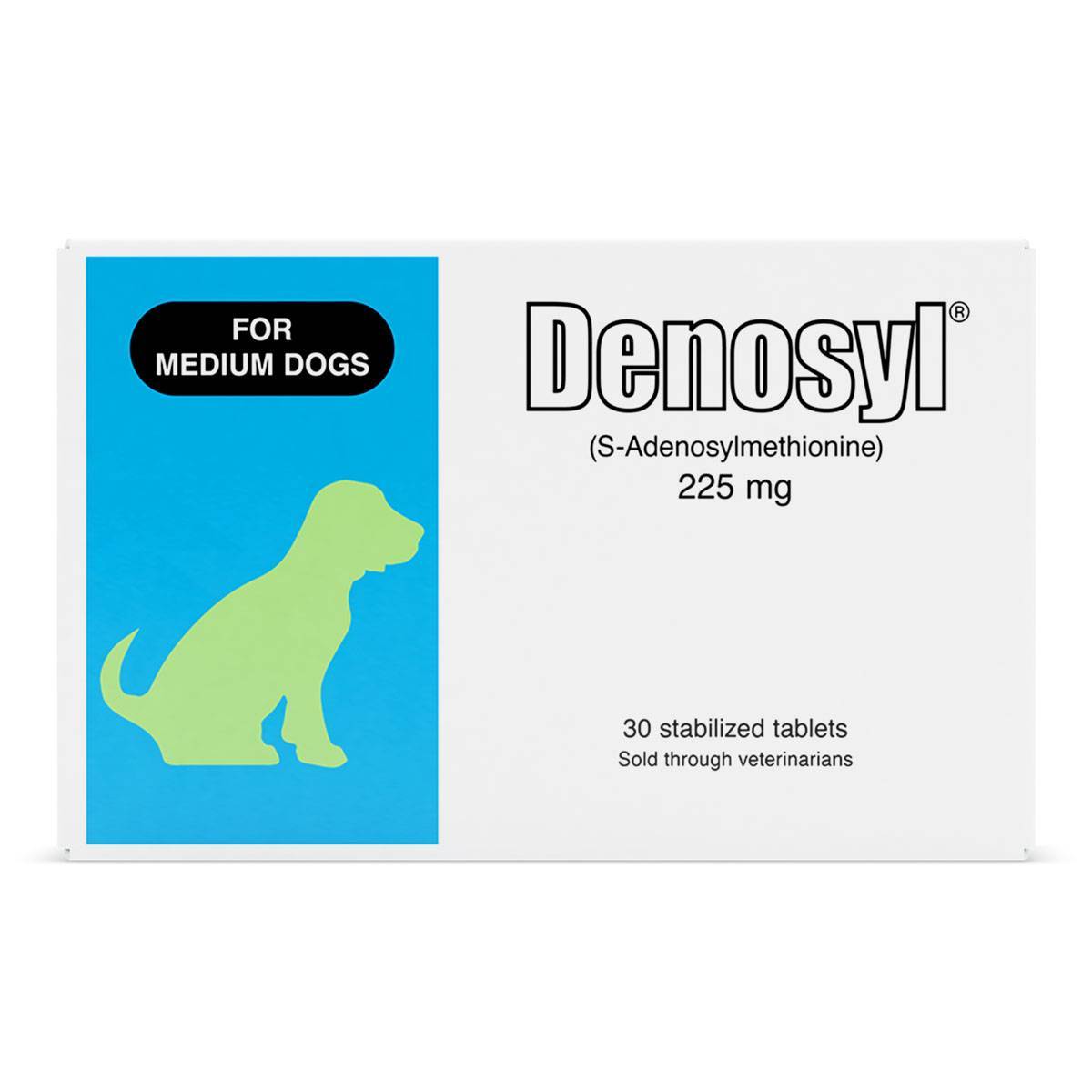
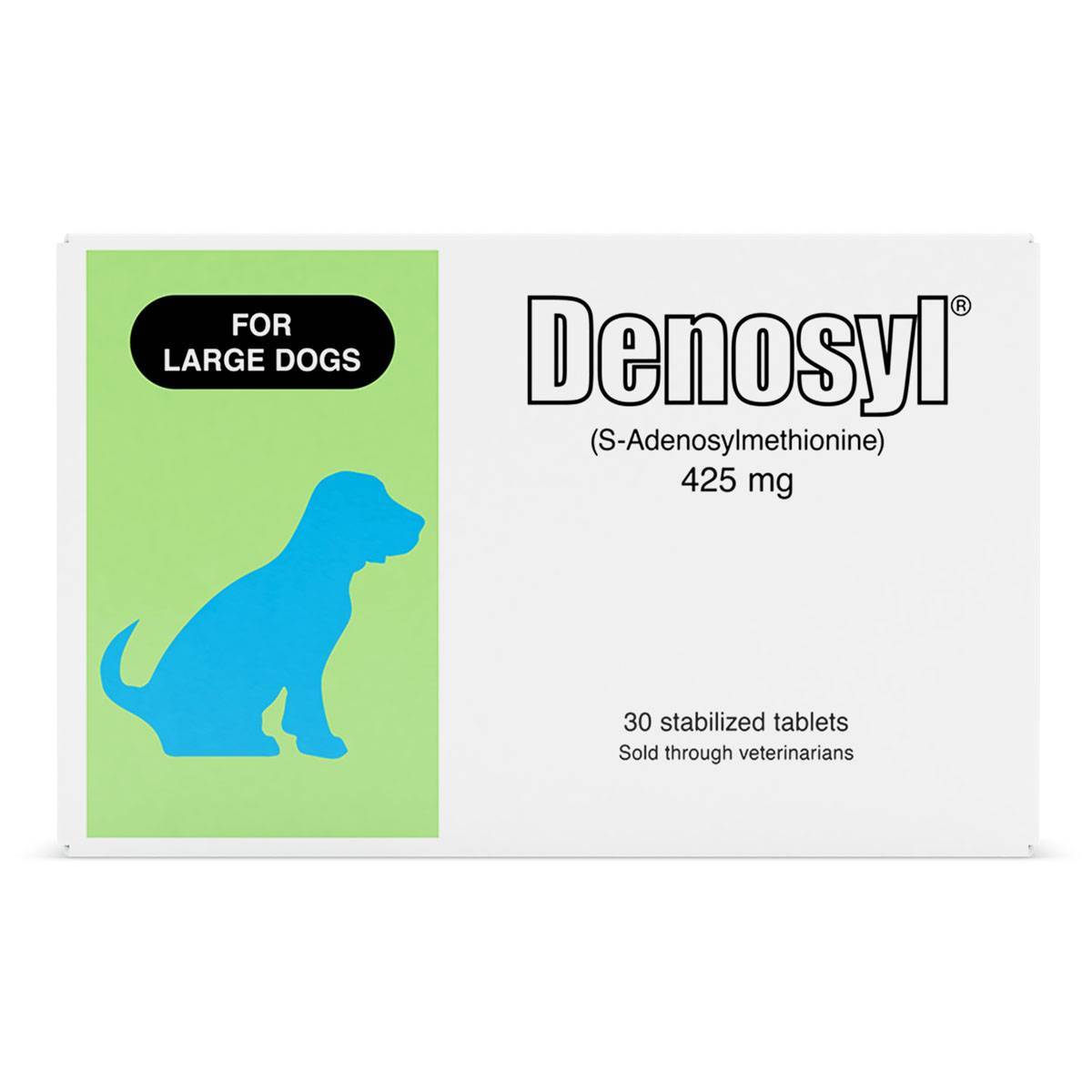
Denosyl, a nutritional supplement, is the pure and stabilized salt of S-Adenosylmethionine for veterinary use only. It is the only brand researched in U.S. trials for veterinary use in dogs and cats. Denosyl is available in three strengths: as an enteric-coated 90 mg, 225 mg, and 425 mg tablet of active S-Adenosylmethionine. Because S-Adenosylmethionine is extremely sensitive to moisture, tablets are individually sealed in specialized moisture-resistant blister packs.
Background
S-Adenosylmethionine is an endogenous molecule synthesized by cells throughout the body and is formed from the amino acid methionine and ATP. It is an essential part of three major biochemical pathways: transmethylation, transsulfuration and aminopropylation. As part of these pathways, S-Adenosylmethionine is essential to all cells and is particularly important in hepatocytes because of their central role in metabolism. A deficiency of S-Adenosylmethionine, therefore, may initiate or contribute to abnormalities of cellular structure and function in the liver as well as many other body tissues.
Conversely, exogenous administration of S-Adenosylmethionine has been shown to result in improvements in hepatocellular function in both in vivo andin vitro studies, without cytotoxicity or significant side effects.1-9 Precursors of S-Adenosylmethionine do not have similar effects. Administration of methionine to animals with decreased liver function may not increase hepatic S-Adenosylmethionine levels and may be toxic.6 The best way to increase S-Adenosylmethionine levels in the body is by direct supplementation with S-Adenosylmethionine.
Purpose
Denosyl has been shown to increase hepatic glutathione levels in cats and dogs.1,7 Glutathione is a potent antioxidant that protects hepatic cells from toxins and death. A study found that low liver glutathione concentrations are common in dogs and cats with decreased hepatobiliary function.10 Denosyl is recommended to improve hepatic glutathione levels in patients to help maintain and protect liver function. Denosyl may also be used in other areas of tissue oxidant injury and RBC fragility caused by certain toxins or drugs which are related to reduced glutathione concentrations.6 Denosyl, however, goes beyond increasing glutathione levels and has been shown to protect liver cells from cell death2,8 and may be useful in cell regeneration.6 A study has also shown that Denosyl may improve bile flow in cats.5
Pharmacokinetics
In a pharmacokinetic study with fasted dogs given Denosyl, peak plasma levels were recorded within 4 hours of administration.1 A pharmacokinetic study in fasted cats showed peak plasma levels at 2-4 hours post Denosyl administration.7,11
Safety
Denosyl demonstrates an exceptionally wide margin of safety. Oral acute toxicity studies in rats indicated an LD50 greater than 4,640 mg/kg.6 Clinically healthy dogs administered 20 mg/kg/day of Denosyl for 6 weeks and clinically healthy cats administered Denosyl at 2 times the recommended daily amount for 113 days remained healthy with no adverse effects from administration of Denosyl.1,7
Administration as a Nutritional Supplement
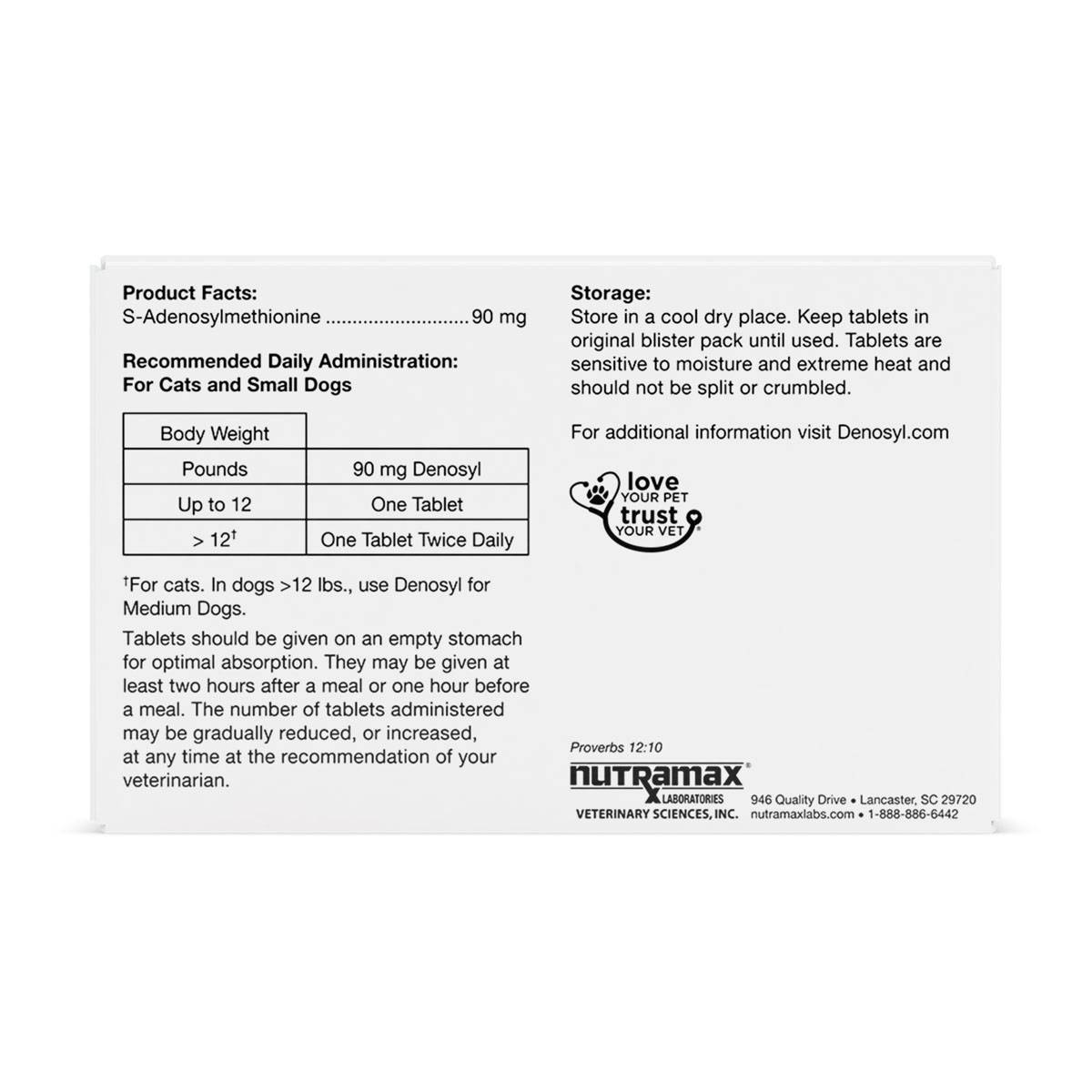
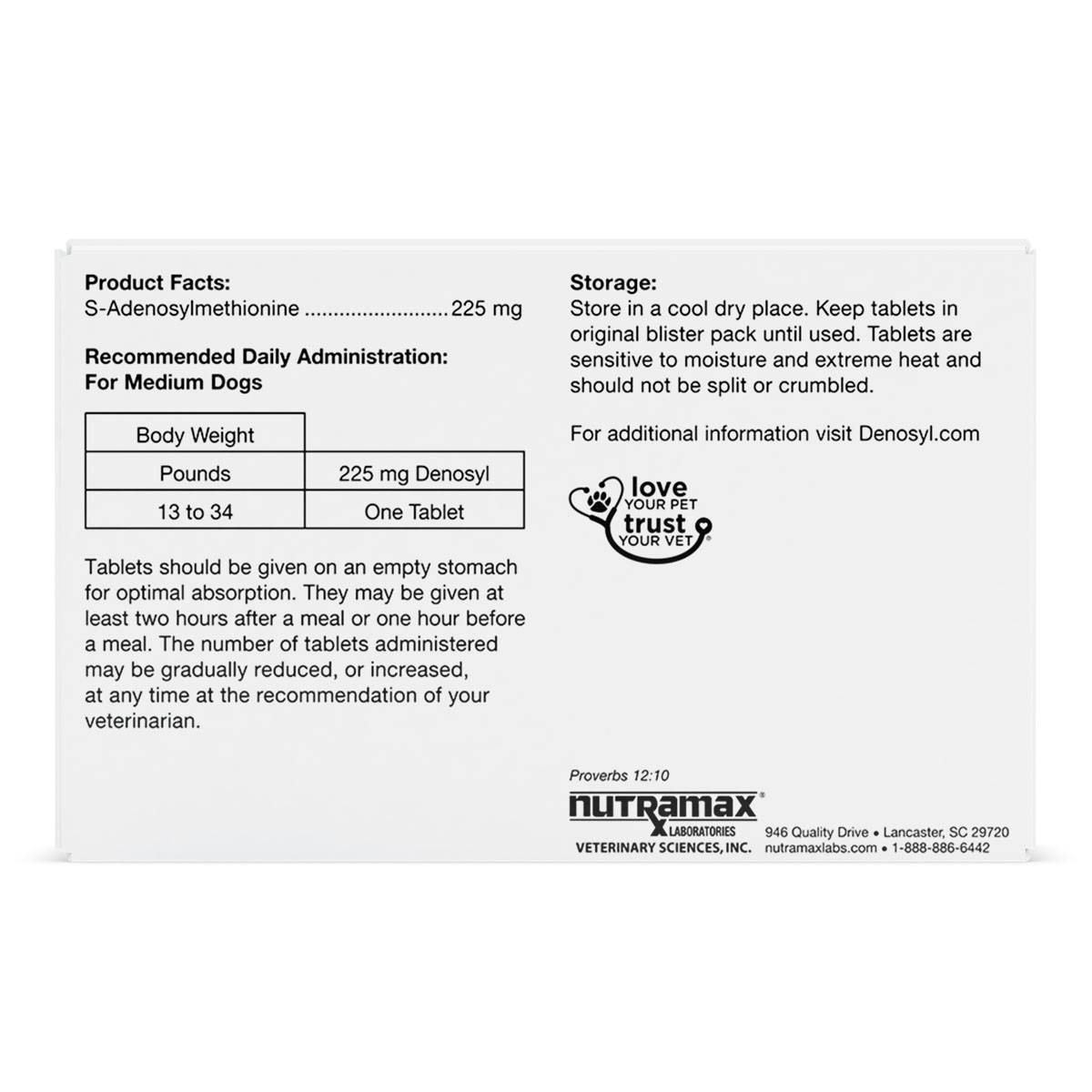
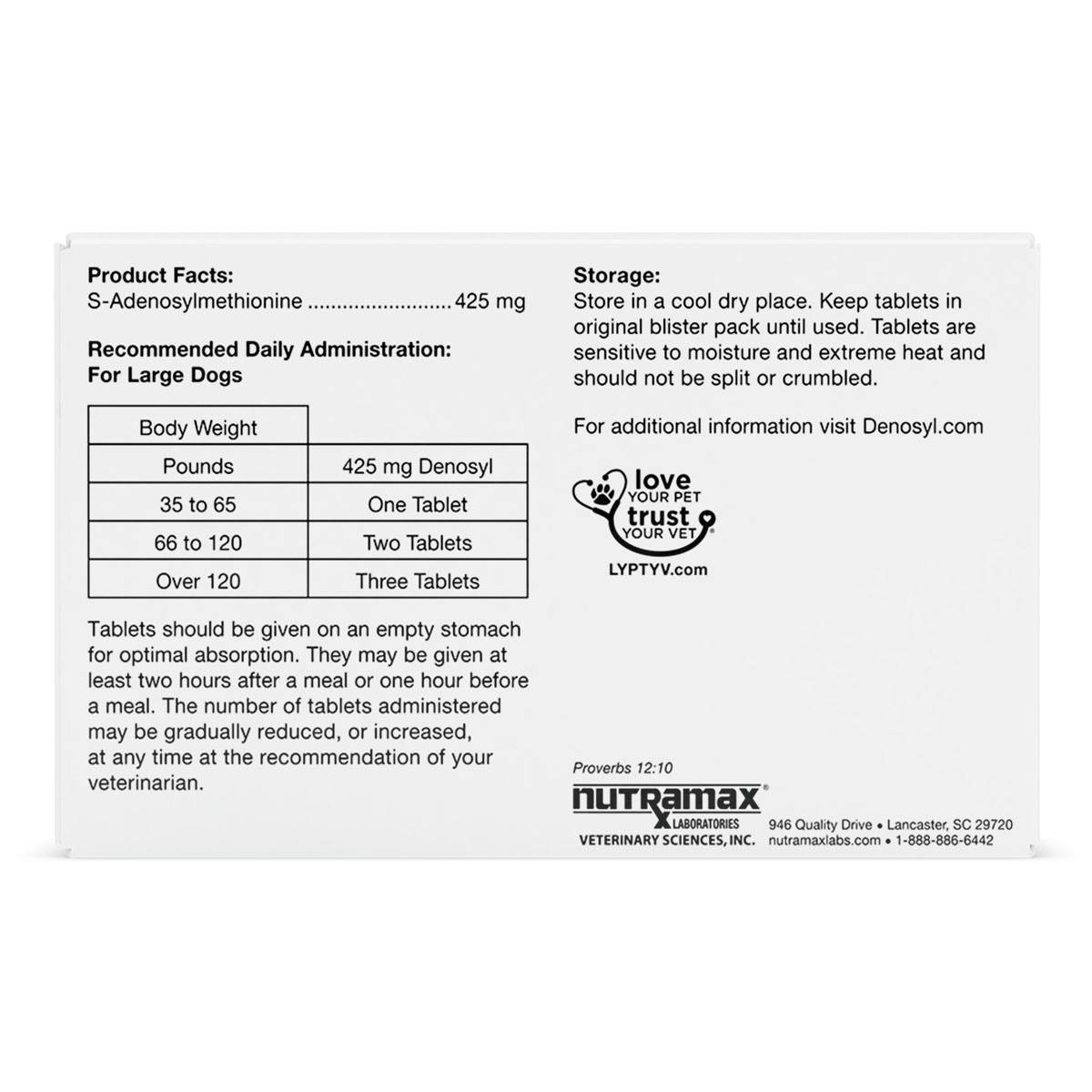
Because the tablet must be kept intact to prevent destruction by stomach acid, administration range is based on the nearest whole-tablet. The chart below is provided as a guide for administration. Daily administration may also be calculated based on 20 mg/kg of body weight and rounded to the closest tablet size or combination of sizes.
For optimal absorption, tablets should be given on an empty stomach, at least one hour before feeding, as the presence of food decreases the absorption of S-Adenosylmethionine. For those owners who have difficulty administering tablets to their pets, Denosyl® tablet(s) may be disguised in a small bite of food. Studies
have shown that, in many cases, tablets or capsules given as a “dry swallow” do not pass into the stomach in cats but may become lodged in the esophagus. It is recommended for pet owners to administer 3-6 cc of water immediately following any tablet administration to speed passage of the tablet into the stomach.12,13 Denosyl 90 mg tablets are ideal for cats because of their small size. If the pet is to receive more than one tablet daily, the total number of tablets may be divided between morning and evening for ease of administration. For example, a daily administration of three tablets could be divided into two tablets in the morning and one tablet in the evening.
FELINE AND CANINE DENOSYL DAILY* ADMINISTRATION GUIDE
For Cats and Small Dogs
|
Body Weight |
90 mg Denosyl |
|
|
Pounds |
Kilograms |
|
|
Up to 12 |
Up to 5.5 |
One tablet |
For Medium Dogs
|
Body Weight |
225 mg Denosyl |
|
|
Pounds |
Kilograms |
|
|
13 to 34 |
6 to 15.5 |
One tablet |
For Large Dogs
|
Body Weight |
425 mg Denosyl |
|
|
Pounds |
Kilograms |
|
|
35 to 65 |
16 to 29.5 |
One tablet |
|
66 to 120 |
30 to 54.5 |
Two tablets |
|
Over 120 |
Over 54.5 |
Three tablet |
*The number of tablets can be gradually reduced or increased at any time depending on the pet’s needs. Many pets are maintained long-term on every-other-day or every-third-day administration.
Storage
Store in a cool dry place not to exceed 86° F. Keep tablets in original blister pack until used. Tablets are sensitive to moisture and extreme heat and should not be split or crumbled.
REFERENCES
1. Center SA, Warner K, Hoffman WE, et al. Evaluation of the influence of S-adenosylmethionine on systemic and hepatic effects of prednisolone in dogs. AJVR 2005;66(2):330-341.
2. Webster CRL, Boria P, Usechak P, Anwer MS. S-adenosylmethionine and cAMP confer differential cytoprotection against bile acid-induced apoptosis in canine renal tubular cells and primary rat hepatocytes. Vet Therapeutics 2002;3(4):474-484.
3. Wallace KP, Center SA, Hickford FH, et al. S-adenosyl-l-methionine (SAMe) in the treatment of acetaminophen toxicity in a dog. J Am Anim Hosp Assoc 2002;38:246-254.
4. Webb CB, Twedt DC, Fettman MJ, Mason G. S-adenosylmethionine (SAMe) in a feline acetaminophen model of oxidative injury. J Fel Med & Surg 2003;5:69-75.
5. Center SA, Warner KL. Influence of chronic oral S-adenosylmethionine (SAMe) on biliary glutathione and bile acid concentrations in healthy cats. Proceedings of the 22nd ACVIM, Minneapolis, MN:867-868, 2004.
6. Center SA. S-adenosyl-methionine an antioxidant and anti-inflammatory nutraceutical. Proceedings of the 18th ACVIM, Seattle, WA:550-552, 2000.
7. Center SA, Randolph JF, Warner K, et al. The effects of s-adenosylmethionine on clinical pathology and redox potential in the red blood cell, liver, and bile of clinically normal cats. J Vet Intern Med 2005;19:303-314.
8. McCool J, Johnston A, Webster CRL. Effect of hepatoprotective agents in an in vivo model of cholestatic liver disease. Proceedings of the 21st ACVIM, Charlotte, NC, 2003;abstract #134.
9. Watson PJ, Scott L, Smith N, Marlin DJ. The use of S-adenosylmethionine in cats and dogs with liver disease. Proc. ECVIM-CA/ESVIM, Munich:178, 2002.
10. Center SA, Warner KL, Erb HN. Liver glutathione concentrations in dogs and cats with naturally occurring liver disease. AJVR 2002;63(8):1187-1197.
11. Center SA, Warner KL. Pharmacokinetics of S-adenosylmethionine delivered in enteric coated tablets to healthy cats: acute and chronic oral dosing study. World Veterinary Congress, 2002.
12. Westfall DS, Twedt DC, Steyn PF, et al. Evaluation of esophageal transit of tablets and capsules in 30 cats. J Vet Intern Med 2001;15(5):467-470.
13. Graham JP, Lipman AH, Newell SM, Roberts GD. Esophageal transit of capsules in clinically normal cats. Am J Vet Res 2000;61(6):655-657.
Any questions or comments?
Call toll-free 1-800-925-5187
nutramaxlabs.com
NUTRAMAX LABORATORIES, INC., 2208 Lakeside Boulevard, Edgewood, Maryland 21040
02-1001-07
|
FOR CATS and SMALL DOGS |
90 mg - 30 stabilized tablets |
01-1007-01 |
|
FOR MEDIUM DOGS |
225 mg - 30 stabilized tablets |
01-1008-01 |
|
FOR LARGER DOGS |
425 mg - 30 stabilized tablets |
01-1014-02 |